Information for Students
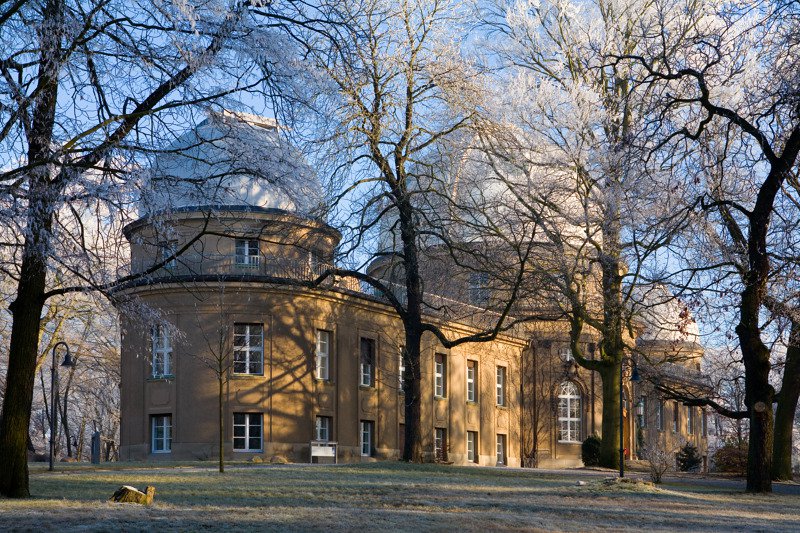
The Leibniz Institute for Astrophysics Potsdam (AIP) is a non-university research institution that does not offer any university classes or degrees for students per se. However, in close collaboration with the nearby University of Potsdam, some AIP scientists are professors and lecturers at the University and can officially supervise students for their final projects.
Detailed information for students and for (future) astrophysicists at all career stages can be found on the website of the Astrophysics Network Potsdam. The Astrophysics Network Potsdam is a cross-institutional specialized alliance of scientific research groups that conduct research and teaching in astronomy/astrophysics in Potsdam. Professors from the network also have shaped the English-language Master's programme in Astrophysics that is being offered by the University of Potsdam since 2016.
General information about studying in Germany can be found online at the German Academic Exchange Service (DAAD). International students can also benefit from a lot of helpful information from the Welcome Center at the University of Potsdam.
Bachelor and Master thesis projects
Students enrolled at the University of Potsdam have the opportunity to work on their final projects for a degree in physics or similar disciplines at the AIP. At the moment, eight professors and lecturers at AIP can officially supervise such projects at the University of Potsdam. The students can choose from a wide range of astrophysical topics and methods and participate actively in the scientific life of the institute.
Interested and qualified students from other - especially close-by - universities are also welcome to do their projects at the AIP if this is in accordance with their own university's regulations.
Topics and contact persons for final thesis projects can be found here: Bachelor, Master and PhD Theses.
The following page contains an (incomplete) list of past thesis projects: Completed theses from students at AIP.
PhD theses
It is also possible to work on a PhD project at the AIP. Formally, the dissertation is always associated to a university - usually to the University of Potsdam - and it is the university which decides on the regulations for beginning and successfully completing your PhD. The regulations for doctoral students associated to the University of Potsdam are available here: Doctoral studies - University of Potsdam). The professors mentioned in the List of supervisors are entitled to supervise the students. The project work itself and the publication of your results is done at the AIP, where the students are fully integrated in a research group, allowing intense interaction and exchange with other PhD students and scientists. Topics for PhD theses at AIP are normally associated to available PhD job positions. As the number of available jobs varies, interested students should check the current job announcements and get in touch with potential supervisors well in advance.
Topics and contact persons for PhD thesis: Bachelor-, Master- and PhD theses
Currently offered PhD positions: Job offers
(Incomplete) list of past thesis projects: Completed theses from students at AIP
Student representatives
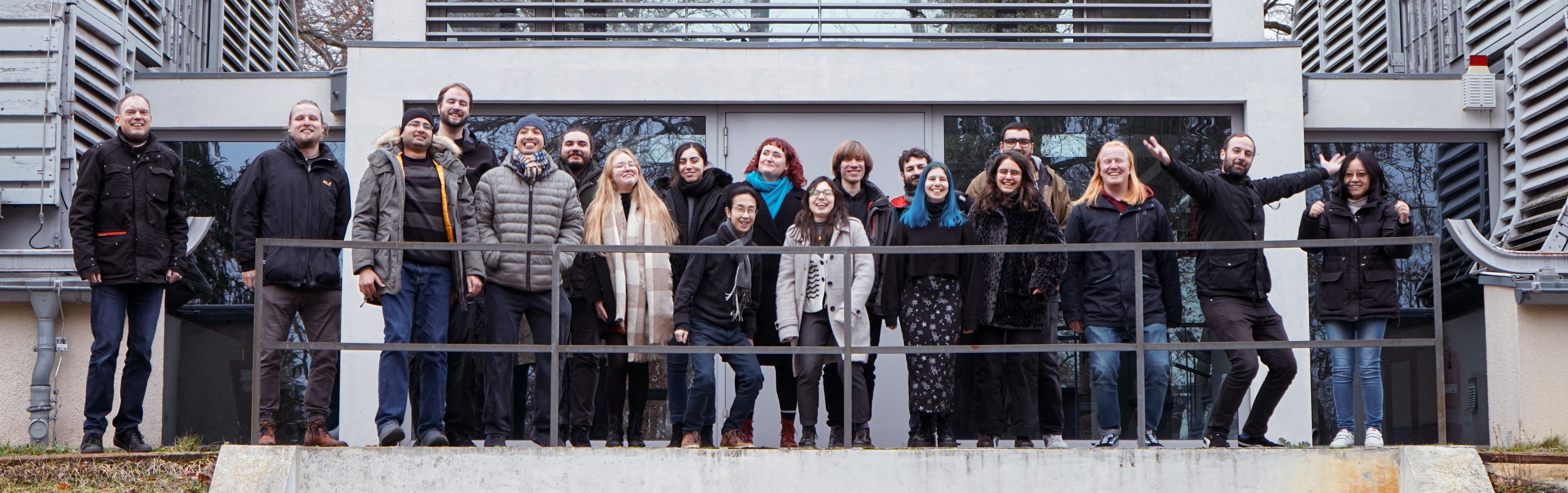
At the AIP students elect student representatives, who represents in particular the doctoral students of the AIP at the University of Potsdam and in the Leibniz PhD Network of the Leibniz Association. The student representatives provide advice and assistance and promote exchange between all students by organising meetings and activities. Further information can be found on the internal AIP website (Intranet).