AIP technology on Paranal: German Federal Minister of Research visits ESO observatory in Chile
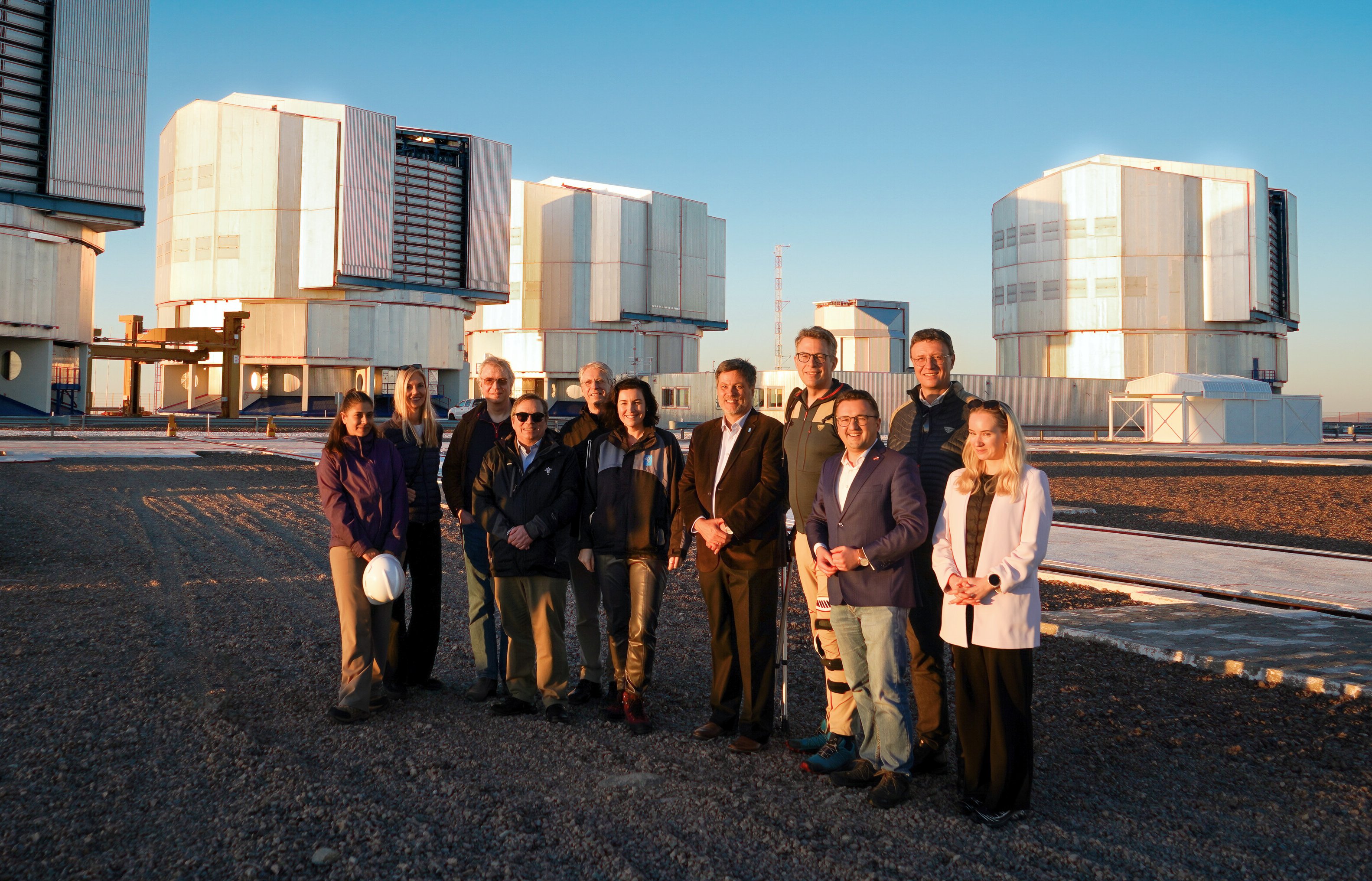
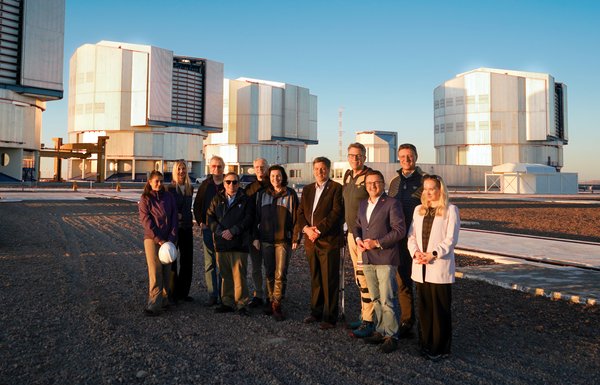
German Federal Minister of Research, Technology, and Space Dorothee Bär visits the ESO Observatory in Chile
Credit: ESOA high-ranking delegation led by Dorothee Bär, Federal Minister of Research, Technology and Space in Gerrmany visited the Paranal Observatory of the European Southern Observatory (ESO) in Chile on 4 and 5 February 2026. The delegation included Markus Blume, Bavarian Minister of State for Science and the Arts, Thomas Reiter, Director General for Space and Security at the Federal Ministry of Research, Technology and Space, and Patrick Cramer, President of the Max Planck Society. The Leibniz Institute for Astrophysics Potsdam (AIP) was represented by Prof. Dr. Matthias Steinmetz, Scientific Director of the AIP and member of the ESO Council.
The delegation was welcomed by ESO Director General Xavier Barcons. The programme included visits to the Extremely Large Telescope (ELT) and the Very Large Telescope (VLT). The delegation learned about the construction progress of the ELT, which will be the largest optical telescope in the world. The tour offered a chance to see some of the science in action and check out the European instruments and key technologies at work. The Leibniz Institute for Astrophysics Potsdam (AIP) was deeply involved in developing such technologies and will continue to play a key role in the future. The AIP is making significant contributions in the field of instrumentation for the Extremely Large Telescope (ELT) and is, for example, involved in the development of the ANDES spectrograph and MOSAIC.
Another major project that shows AIP’s commitment is 4-metre Multi-Object Spectroscopic Telescope (4MOST), one of the biggest ground-based survey instruments in Europe, which was built under the leadership of the AIP. On 18 October 2025, 4MOST captured its first light from the night sky at the European Southern Observatory's (ESO) VISTA telescope, also located at the Paranal Observatory. 4MOST will investigate the formation and evolution of stars and planets, the Milky Way and other galaxies, and the universe as a whole. The instrument can simultaneously break down the light from up to 2400 celestial objects up to 18,000 colour components, enabling astronomers to analyse their chemical composition and physical properties in detail.
In her address, Minister Bär emphasised the need to protect the natural heritage, such as the dark and quiet skies, as they inspire the younger generations in their curiosity for STEM research. She highlighted the importance of ground-based astronomy, its synergies with space research and the significance of developing and investing in both fields, as they drive technology in Germany and the whole of Europe.
“Thanks to the AIP’s contributions to the instrumentation of ESO telescopes, we are enabling students and PhD candidates in astrophysics to participate in the analysis of the latest data from the world’s most advanced telescopes,” says Matthias Steinmetz.
The visit underlines the importance of close international cooperation in astronomical research and the key role of the AIP in linking scientific analysis, instrument development and data infrastructure in the European research environment.
Further information
Images
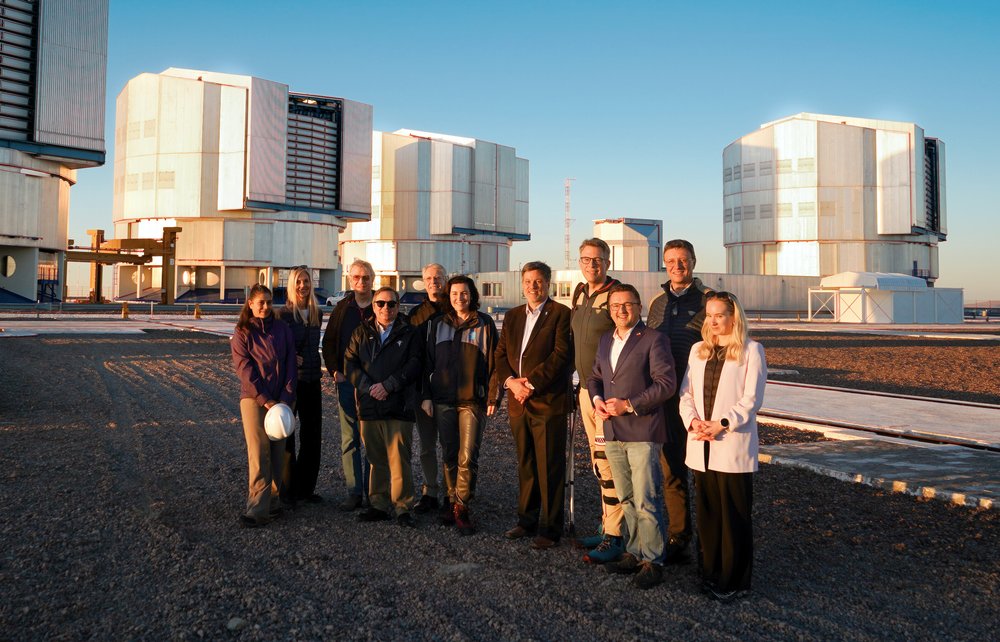
German Federal Minister of Research, Technology, and Space Dorothee Bär visits the ESO Observatory in Chile
Big screen size [1000 x 642, 140 KB]
Original size [3165 x 2032, 1.1 MB]
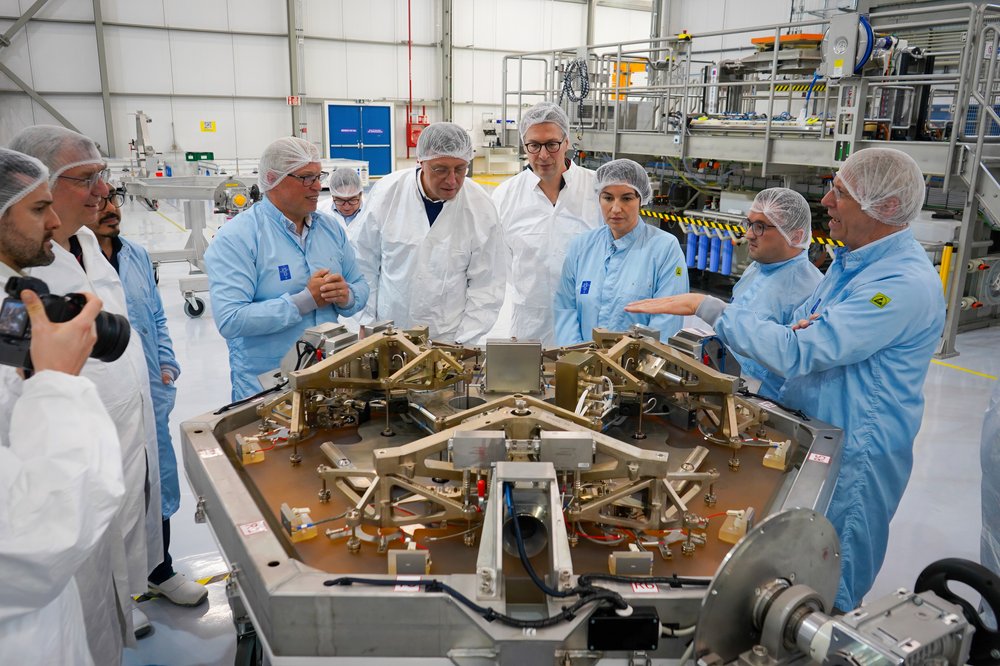
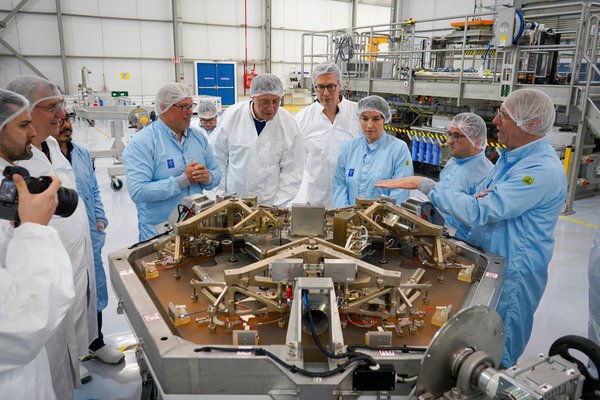
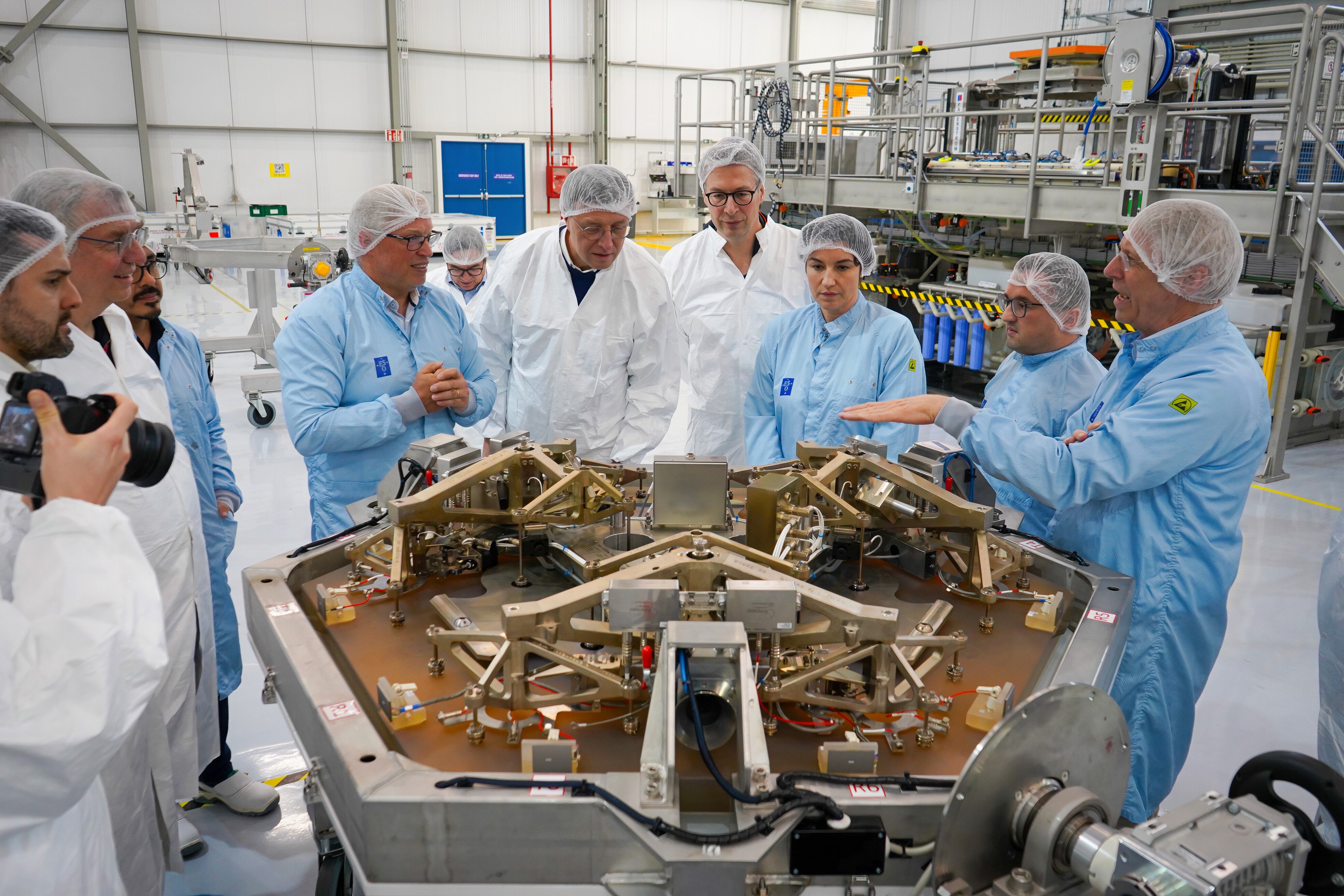
Federal Minister Bär and Minister of State Blume had the opportunity to see part of the primary mirror of ESO's Extremely Large Telescope (ELT).
Big screen size [1000 x 666, 160 KB]
Original size [3936 x 2624, 1.6 MB]
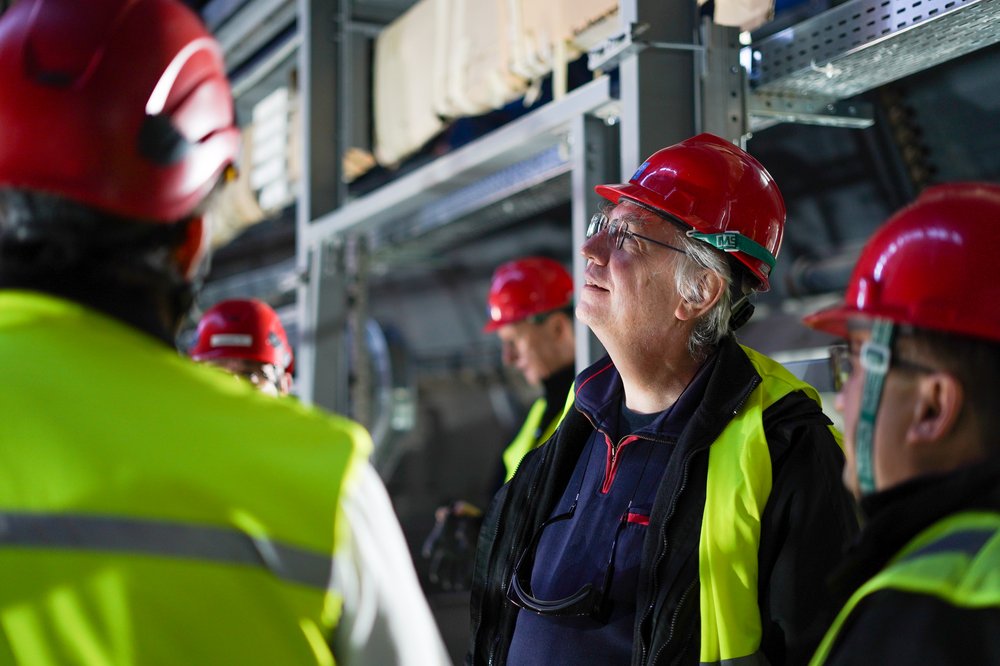
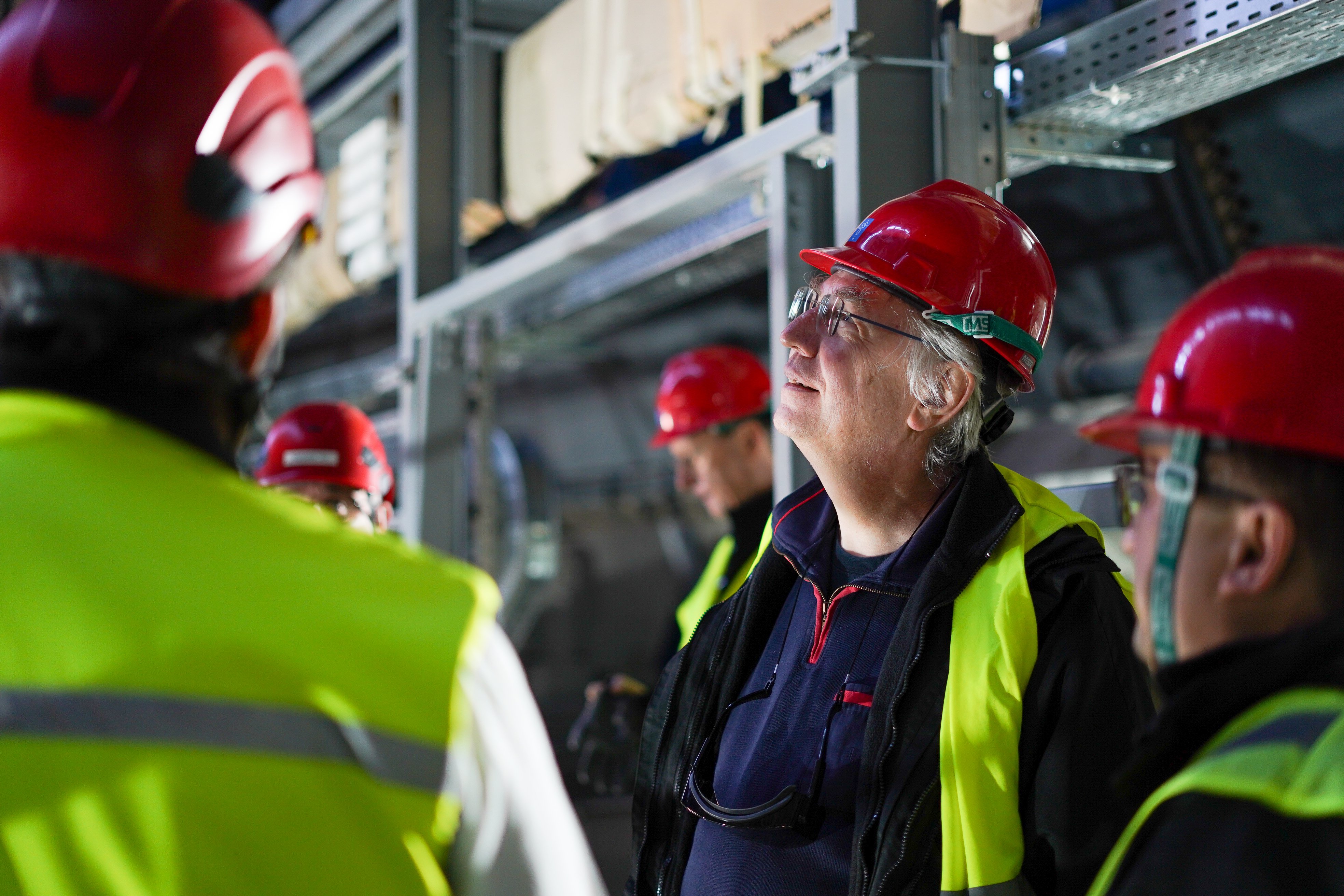
The AIP was represented by Prof. Dr. Matthias Steinmetz during the delegation's visit.
Big screen size [1000 x 666, 90 KB]
Original size [3936 x 2624, 1.3 MB]