Collaboration led by the German Center for Astrophysics (DZA) joins the ZTF partnership
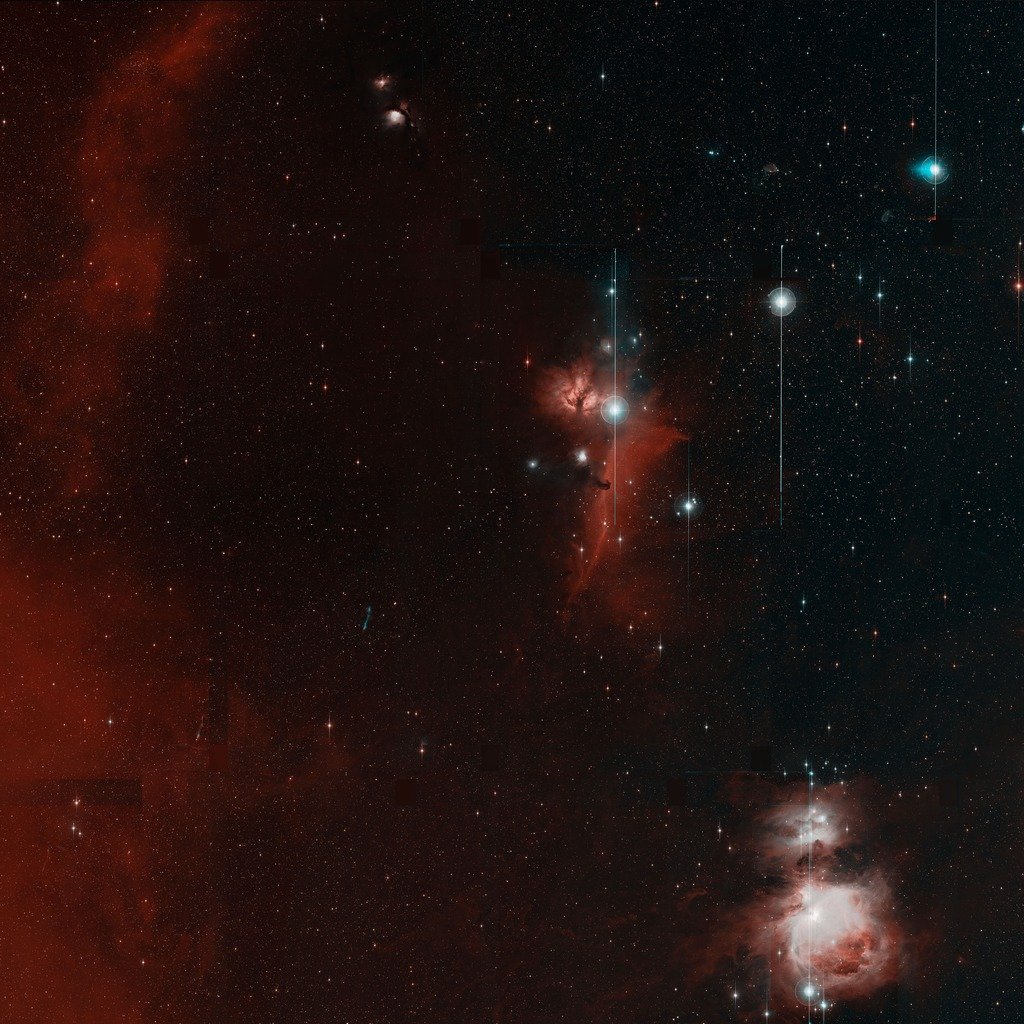
ZTF image of the Orion nebula
Credit: Caltech Optical ObservatoriesA collaboration consisting of the German Center for Astrophysics in Goerlitz, the Leibniz-Institute for Astrophysics (AIP), Potsdam and the German Electron Synchrotron DESY is officially joining the Zwicky Transient Facility (ZTF) partnership, expanding our scientific collaborative network in Europe and growing the team of world-class researchers and students.
The Zwicky Transient Facility (ZTF) is designed to scan the night sky rapidly and repeatedly to detect transient astronomical events — things that change or appear suddenly, like supernovae, variable stars, asteroids, and other cosmic phenomena. It operates at the Palomar Observatory in California, using a wide-field camera mounted on the Samuel Oschin Telescope. ZTF helps astronomers catch time variable events in the universe in near real-time, enabling quick follow-up observations and advancing our understanding of dynamic cosmic processes.
“This is exciting news. DZA is quickly attracting exceptional talent from around the world and developing cutting-edge scientific and research infrastructure. I am convinced we will build a solid and long-term partnership that will benefit astrophysics both in the USA and Europe”, says Mansi Kasliwal, a professor of astronomy at Caltech and the principal investigator of ZTF.
The German Center for Astrophysics, currently under construction, is envisioned as a new hub for scientific innovation in Lusatia, a growing region in Eastern Germany. The center aims to become a global leader in developing cutting-edge and sustainable infrastructure for scientific research in astrophysics with an initial focus on radio and multi-messenger astronomy.
Prof. Stefan Wagner from the University of Heidelberg and DZA, Prof. Matthias Steinmetz from the Leibniz Institute for Astrophysics Potsdam (AIP), and Prof. Samaya Nissanke, lead scientist at DESY who is also a long-standing collaborator with members of the ZTF multi-messenger science group, are heading different research areas in DZA and have joined ZTF as co-investigators.
“After working closely with ZTF colleagues since 2009, in the early days of its precursor the Palomar Transient Factory, I am thrilled to be joining ZTF as an official partner. ZTF has been extraordinary across a wide range of discoveries and has quite literally led the way in the optical follow up of gravitational wave mergers over the past seven years,” says Samaya Nissanke, whose research focus is on studying black holes and neutron star mergers with gravitational waves.
”With ZTF and our well established collaboration with DZA, AIP can now expand its portfolio mainly focussed on spectroscopic surveys with a new dimension - time domain astrophysics,” adds Matthias Steinmetz of AIP.
Stefan Wagner is also interested in employing big data methods and technology to advance survey science. As partners in ZTF, he and Matthias Steinmetz will lead the transfer of the real-time pipeline from Caltech IPAC to Germany, employing the computational facilities at the TUD University of Dresden.
“Exploring the dynamic universe currently requires constant innovations in data science to enable astronomers to analyze large data streams from multiple telescopes quickly. I am looking forward to working with our colleagues at DZA to provide excellent survey data from ZTF to the astronomical community around the world”, says Matthew Graham, a co-PI of ZTF.
The DZA led collaboration is joining ZTF as a major partner with full access to ZTF's proprietary partnership data.
Further information
www.deutscheszentrumastrophysik.de
Images
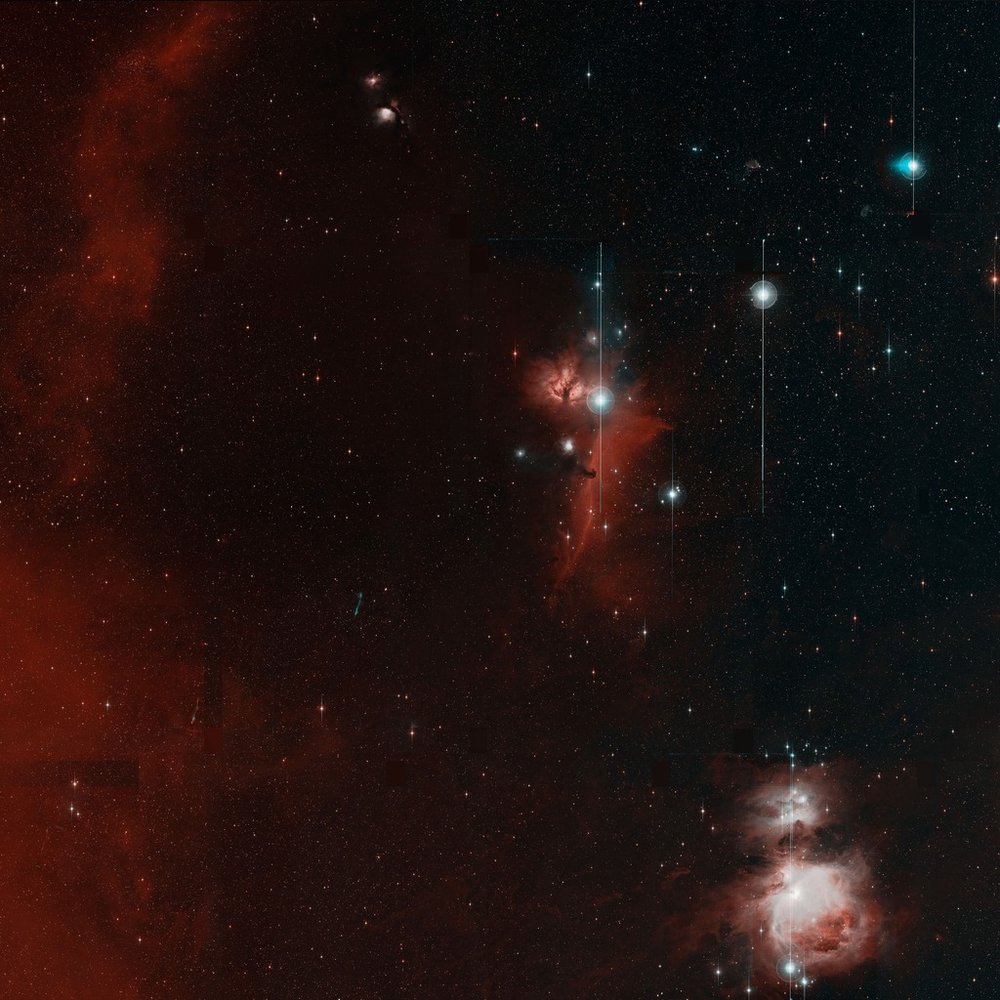
ZTF image of the Orion nebula
Big screen size [1000 x 1000, 160 KB]
Original size [1024 x 1024, 210 KB]