New research project examines Potsdam’s Telegrafenberg and the Babelsberg Observatory between 1930 and 1950
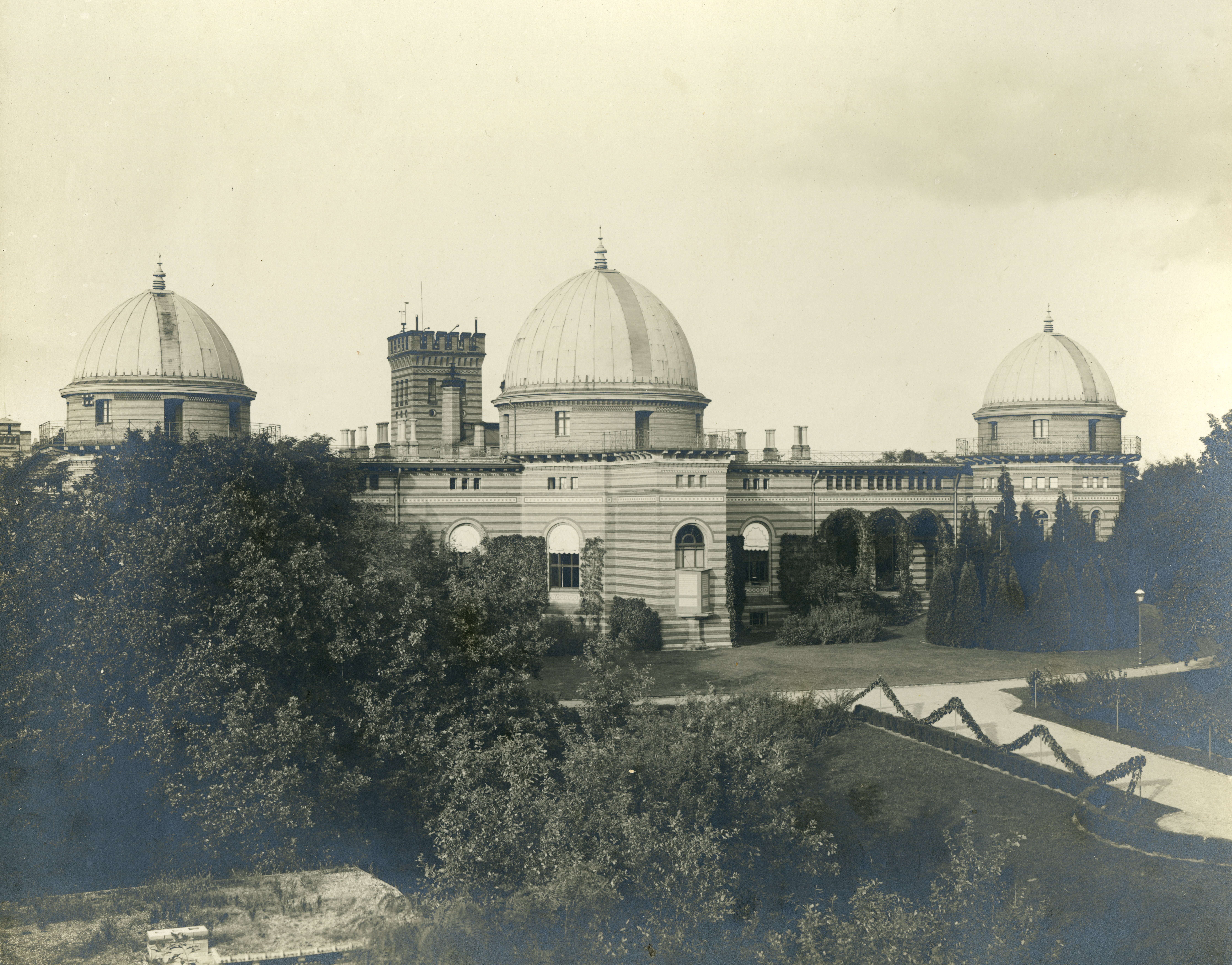
Main building of the Potsdam Institute for Astrophysics on the Telegrafenberg
Credit: AIPOn 1 August 2026, Jaromír Balcar began conducting research at the ZZF in Potsdam into the history of the city’s major scientific research institutions during periods of political upheaval in the first half of the 20th century.
Jaromír Balcar’s research project is entitled, ‘Research at the Crossroads of Science and Politics: The Potsdam Telegrafenberg and the Babelsberg Observatory, 1930–1950’. He will be conducting research over the next three years at the Leibniz Centre for Contemporary History in Potsdam (ZZF) into the history of scientific institutions that were and are renowned far beyond the city’s borders. These include the Potsdam Geomagnetic Institute with the Potsdam Meteorological-Magnetic Observatory, the Potsdam Astrophysical Observatory and the Potsdam Geodetic Institute; in addition, there is the Babelsberg Observatory, which was relocated from Berlin in 1913. The four research institutions that are now located on the Telegrafenberg came up with the idea to investigate this hitherto largely unknown past.
Balcar’s project will focus on the twin upheavals of 1933 and 1945. This period of study opens up a dual comparative perspective: synchronic between the research institutions, and diachronic between the final phase of the Weimar Republic, the Nazi era and the Soviet Occupation Zone (SBZ) or the early GDR, with the emphasis on the Nazi dictatorship. Across these two political turning points, Balcar’s aim is to identify continuities and ruptures in terms of personnel, organisation and epistemology.
In terms of content, the study has three research foci. The first deals with the institutes and their staff during the Nazi era, focusing on the central question of how politics and ideology influenced the organisation and content of research, and how the institutes and their staff adapted to the challenges that arose in these contexts. The second research field concerns the fate of the victims of the Nazi dictatorship: who came under the scrutiny of the Nazi persecution apparatus, what different grounds for persecution can be identified, and how did this affect the lives of those affected? The third field examines the post-war period, during which the institutes were confronted primarily with three problems: firstly, a glaring lack of resources; secondly, the forced restructuring policies imposed by the occupying powers; and thirdly, an ever-worsening staff shortage. It will also be necessary to clarify how the Nazi past – and staff with a tainted past – were dealt with at the Telegrafenberg.
The project is led by Jutta Braun and Winfried Süß, Head and Deputy Head respectively of the ‘Regimes of the Social Sphere’ department at the ZZF in Potsdam. It is funded by the Albert Einstein Science Park Community, which comprises the Leibniz Institute for Astrophysics Potsdam (AIP), the Alfred Wegener Institute, the Helmholtz Centre for Polar and Marine Research (AWI), the GFZ Helmholtz Centre for Geosciences and the Potsdam Institute for Climate Impact Research (PIK). The project will run for three years.
Jaromír Balcar is a university lecturer in Modern and Contemporary History at the University of Bremen and has worked for several years on the Max Planck Society’s research programme on the history of the Society. He has published numerous works on the history of political parties, occupation policy, the role of the financial administration in the persecution of the Jews, and the history of science.
Images
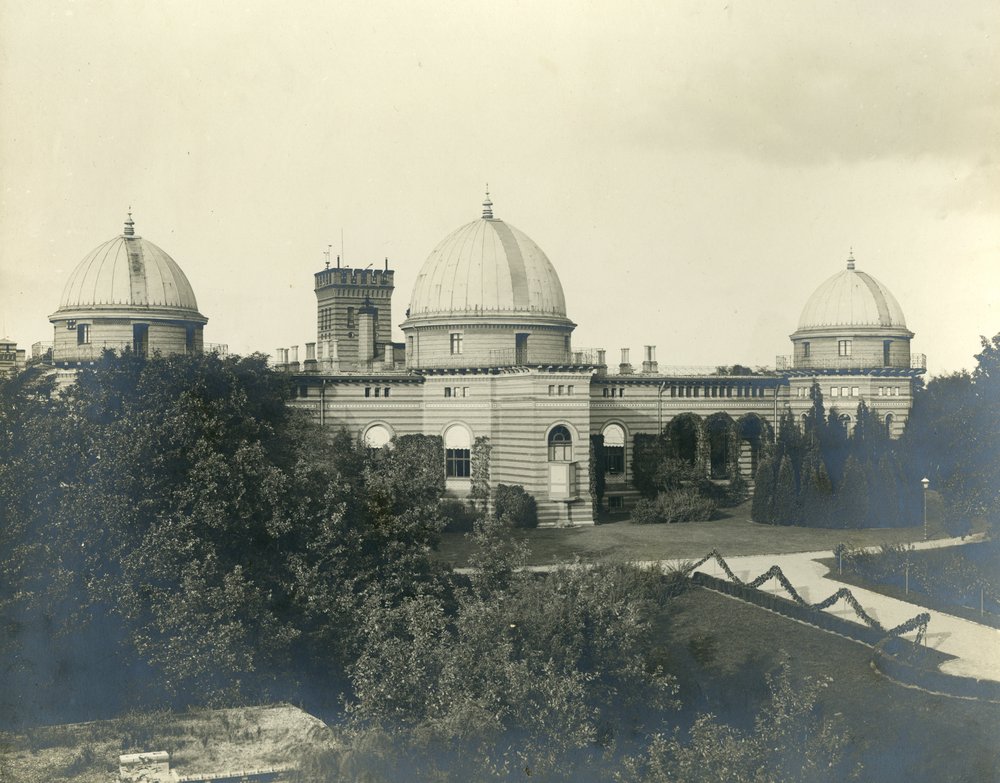
Main building of the Potsdam Institute for Astrophysics on the Telegrafenberg
Big screen size [1000 x 783, 140 KB]
Original size [8938 x 7003, 8.5 MB]