Live Babelsberg Starry Night at 16th April 2026
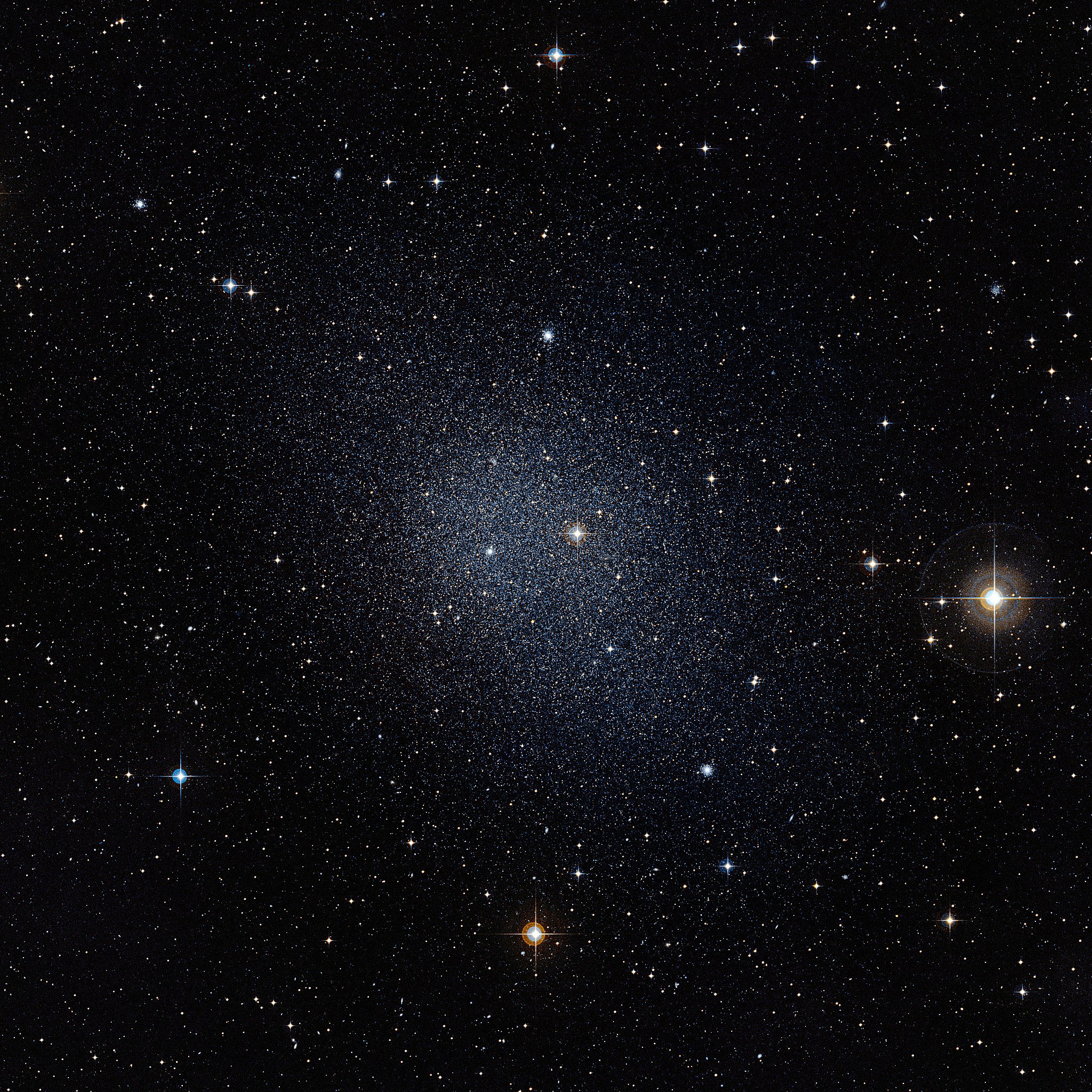
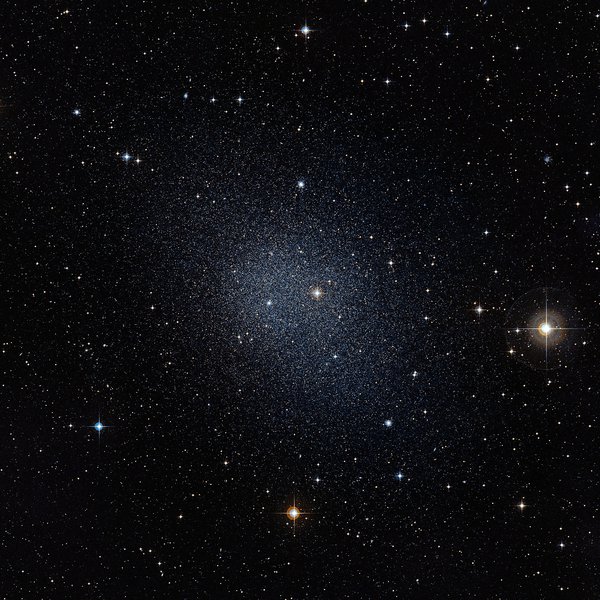
The Fornax dwarf galaxy, one of the satellite galaxies of the Milky Way.
Credit: ESO/Digitized Sky Survey 2On Thursday, 16 April 2026, starting at 7:15 pm, the Leibniz Institute for Astrophysics Potsdam (AIP) invites to the next Babelsberg Starry Night Live at the AIP research campus in Babelsberg. Dr. Marcel Pawlowski will give a public lecture on “Dancing galaxies, Dark Matter and other Mysteries”. On the same evening, the YouTube channel Urknall, Weltall und das Leben will publish a virtual lecture by Dr. Daniel Sablowski on "Analysing light". Please note that both lectures will be given in German.
Dr. Marcel Pawlowski leads the Leibniz Junior Research Group ‘Cosmic Choreographies’ at the AIP. The research on satellite galaxies – small galaxies that orbit larger ones – has grown rapidly in recent decades. Observations show that these small galaxies exhibit some unexpected properties. These phenomena, in particular a remarkably ordered cosmic choreography around their parent galaxies such as the Milky Way, pose a challenge to the current standard model of cosmology and dark matter. Dr. Marcel Pawlowski will present some of these challenges and explain the possible solutions currently being discussed by astrophysicists.
Admission is free and no prior registration is required. After the lecture, visitors are invited to join a guided tour of the AIP research campus in Babelsberg. If the night sky is clear, there will also be an opportunity to observe the night sky through one of the institute’s historic reflecting telescopes.
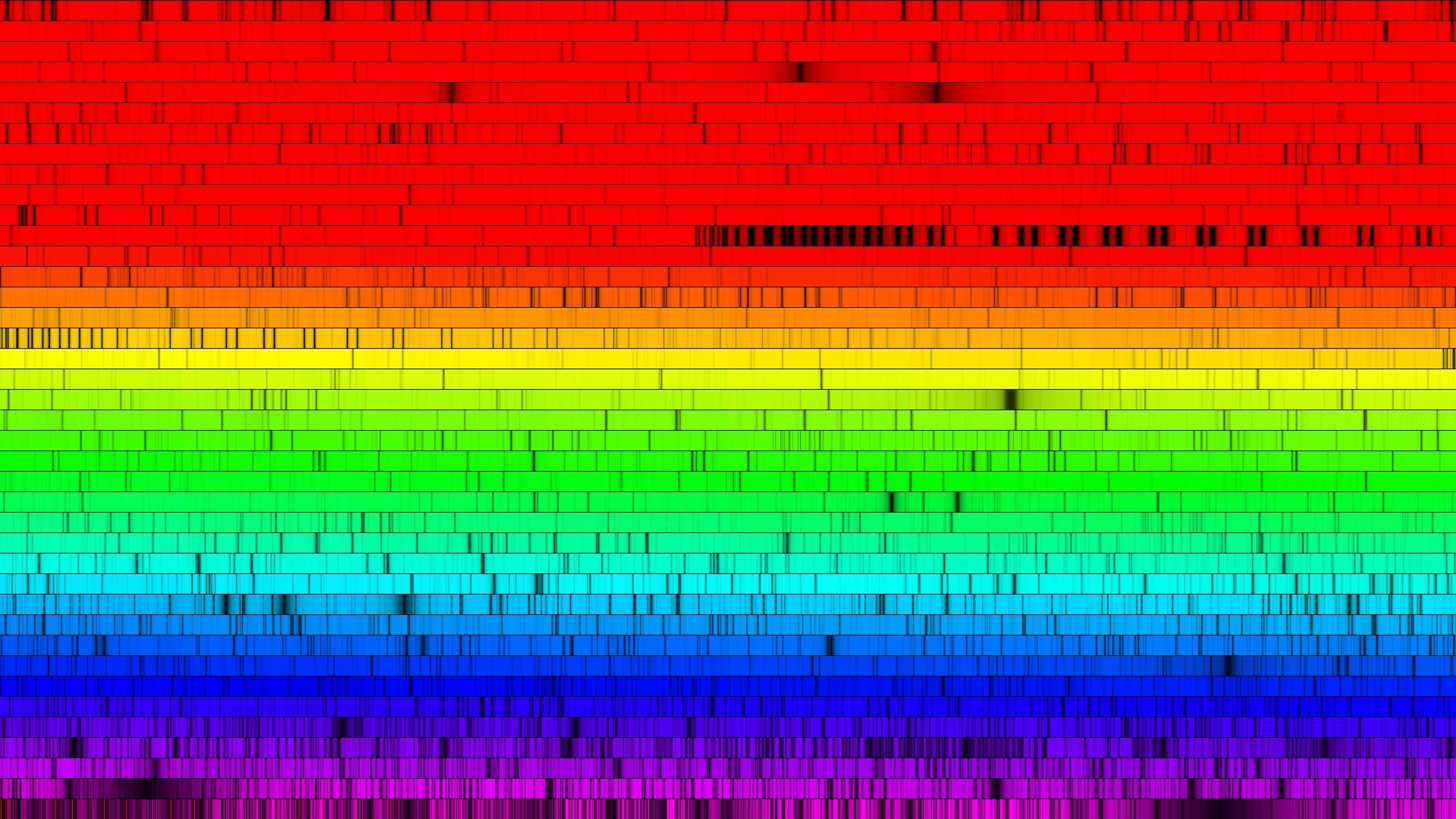
Also on Thursday, a new lecture from the virtual Babelsberg Starry Nights series will be published on YouTube: Dr. Daniel Sablowski, scientist in the Technical Section at the AIP, will present how astronomers are “Analysing light”. Observational astrophysics relies on the study of light – the electromagnetic radiation that reaches us from objects in space. Using spectral analysis, the light is split up into its wavelengths so that it can be quantitatively evaluated. But how does such a measuring instrument work, and what variations of it are used in astronomy? Supplemented by small experiments, the lecture covers spectral analysis from how a diffraction grating works to 3D and Echelle spectroscopy.
The video will be published at 8 p.m. on the YouTube channel Urknall, Weltall und das Leben (Big Bang, Space and Life).
Live Lecture:
Dr. Marcel Pawlowski: ‘Dancing galaxies, Dark Matter and other Mysteries’ (in German)
Time: 16.04.2026, 7:15 p.m.
Location: Conference room Maria-Margaretha-Kirch-Haus, AIP, An der Sternwarte 16, 14482 Potsdam
Virtual Lecture:
Dr. Daniel Sablowski
Time: 16.04.2026, 20 Uhr
YouTube channel Urknall, Weltall und das Leben
Previous lectures from this series:
Live Babelsberg Starry Nights: https://www.aip.de/en/pr/public-events/babelsberg-starry-nights-live/
Virtual Babelsberg Starry Nights: https://www.aip.de/en/babelsberger-sternennaechte/
Further public events of the AIP:
https://www.aip.de/en/pr/public-events/
The Fornax dwarf galaxy, one of the satellite galaxies of the Milky Way.
Credit: ESO/Digitized Sky Survey 2On Thursday, 16 April 2026, starting at 7:15 pm, the Leibniz Institute for Astrophysics Potsdam (AIP) invites to the next Babelsberg Starry Night Live at the AIP research campus in Babelsberg. Dr. Marcel Pawlowski will give a public lecture on “Dancing galaxies, Dark Matter and other Mysteries”. On the same evening, the YouTube channel Urknall, Weltall und das Leben will publish a virtual lecture by Dr. Daniel Sablowski on "Analysing light". Please note that both lectures will be given in German.
Dr. Marcel Pawlowski leads the Leibniz Junior Research Group ‘Cosmic Choreographies’ at the AIP. The research on satellite galaxies – small galaxies that orbit larger ones – has grown rapidly in recent decades. Observations show that these small galaxies exhibit some unexpected properties. These phenomena, in particular a remarkably ordered cosmic choreography around their parent galaxies such as the Milky Way, pose a challenge to the current standard model of cosmology and dark matter. Dr. Marcel Pawlowski will present some of these challenges and explain the possible solutions currently being discussed by astrophysicists.
Admission is free and no prior registration is required. After the lecture, visitors are invited to join a guided tour of the AIP research campus in Babelsberg. If the night sky is clear, there will also be an opportunity to observe the night sky through one of the institute’s historic reflecting telescopes.
Also on Thursday, a new lecture from the virtual Babelsberg Starry Nights series will be published on YouTube: Dr. Daniel Sablowski, scientist in the Technical Section at the AIP, will present how astronomers are “Analysing light”. Observational astrophysics relies on the study of light – the electromagnetic radiation that reaches us from objects in space. Using spectral analysis, the light is split up into its wavelengths so that it can be quantitatively evaluated. But how does such a measuring instrument work, and what variations of it are used in astronomy? Supplemented by small experiments, the lecture covers spectral analysis from how a diffraction grating works to 3D and Echelle spectroscopy.
The video will be published at 8 p.m. on the YouTube channel Urknall, Weltall und das Leben (Big Bang, Space and Life).
Live Lecture:
Dr. Marcel Pawlowski: ‘Dancing galaxies, Dark Matter and other Mysteries’ (in German)
Time: 16.04.2026, 7:15 p.m.
Location: Conference room Maria-Margaretha-Kirch-Haus, AIP, An der Sternwarte 16, 14482 Potsdam
Virtual Lecture:
Dr. Daniel Sablowski
Time: 16.04.2026, 20 Uhr
YouTube channel Urknall, Weltall und das Leben
Previous lectures from this series:
Live Babelsberg Starry Nights: https://www.aip.de/en/pr/public-events/babelsberg-starry-nights-live/
Virtual Babelsberg Starry Nights: https://www.aip.de/en/babelsberger-sternennaechte/
Further public events of the AIP:
https://www.aip.de/en/pr/public-events/
Images
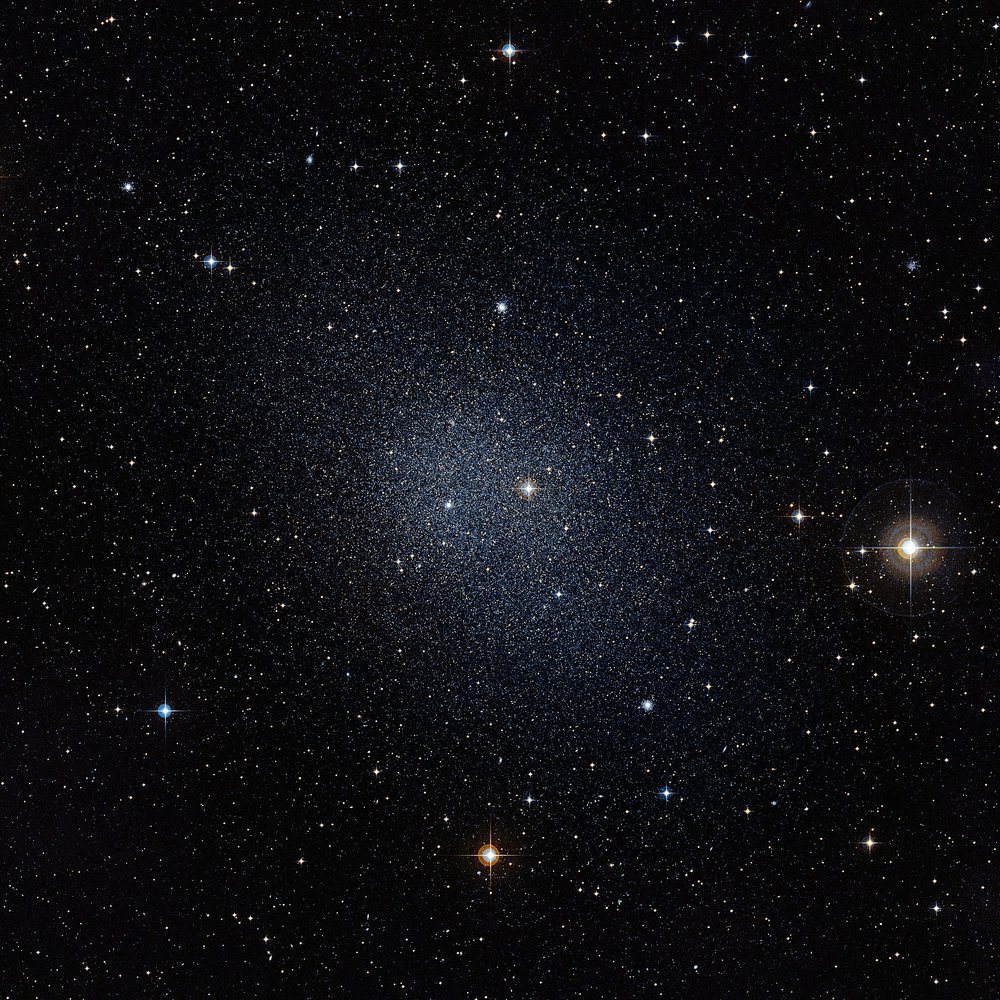
The Fornax dwarf galaxy, one of the satellite galaxies of the Milky Way.
Big screen size [1000 x 1000, 290 KB]
Original size [2048 x 2048, 1.4 MB]
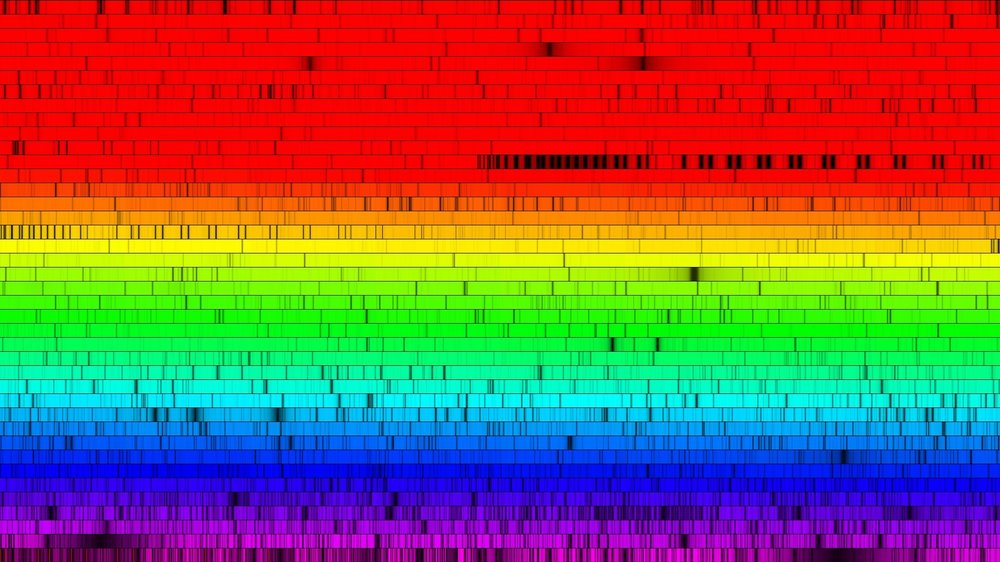
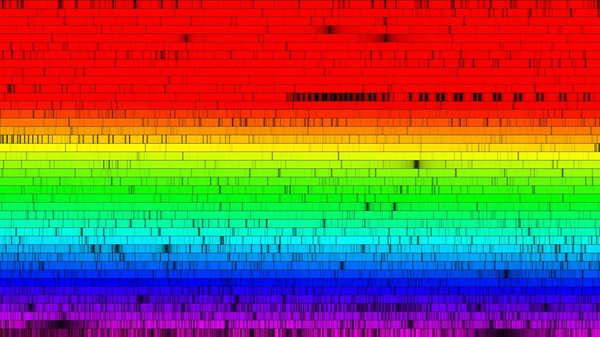
Echelle spectrum of a star, taken with the PEPSI instrument built at AIP.
Big screen size [1000 x 562, 120 KB]
Original size [1920 x 1080, 330 KB]