Milky Way Meeting explores the Legacy and Future of Large Surveys
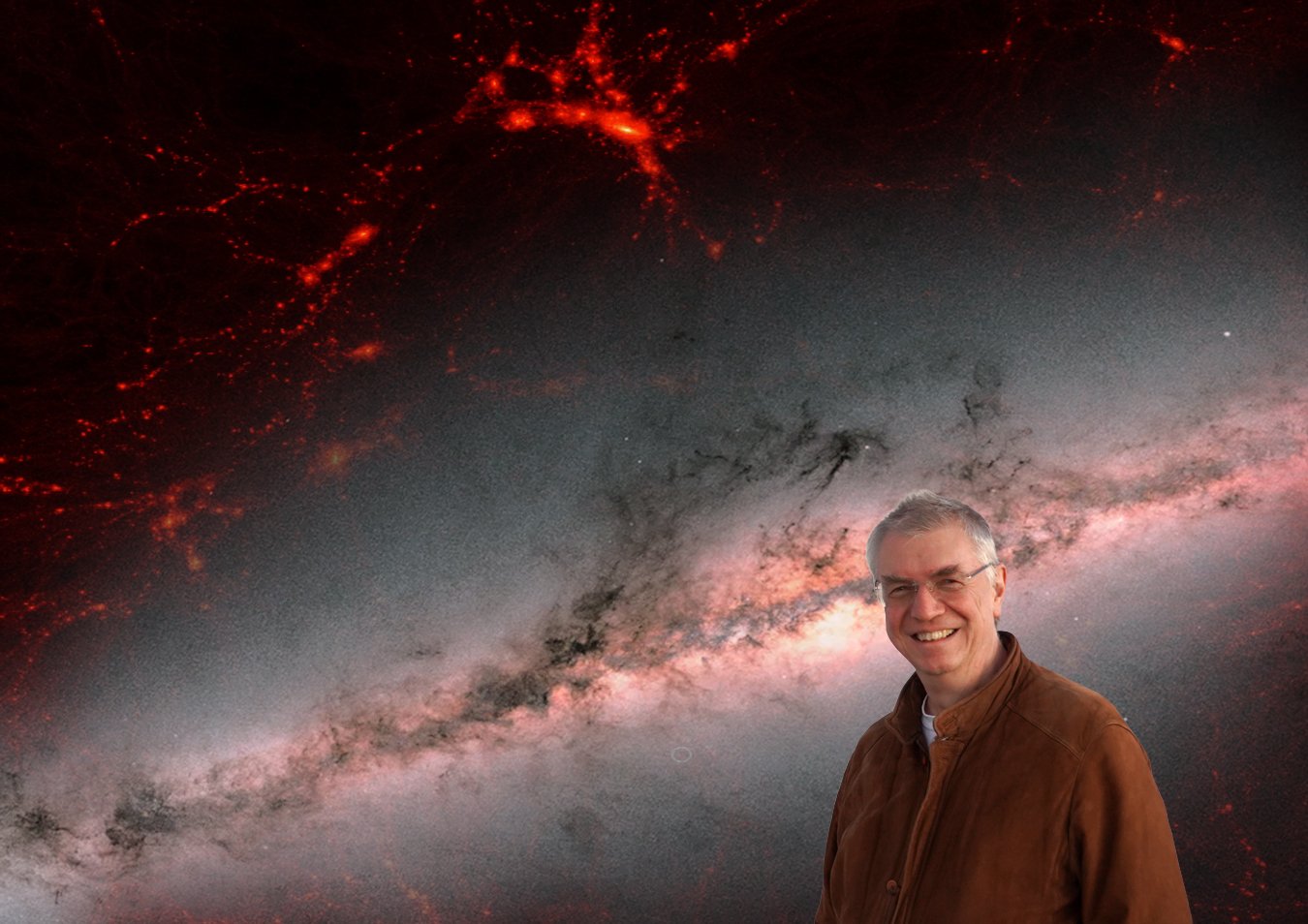
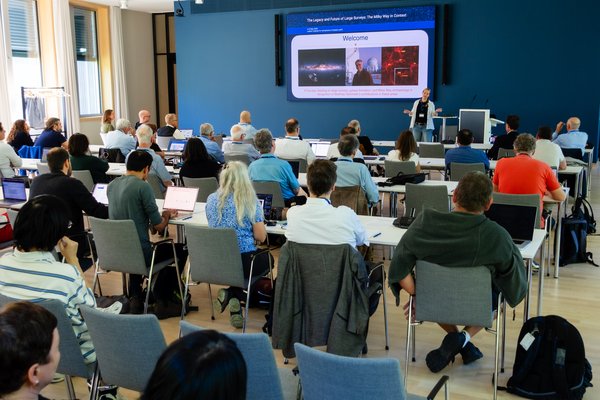
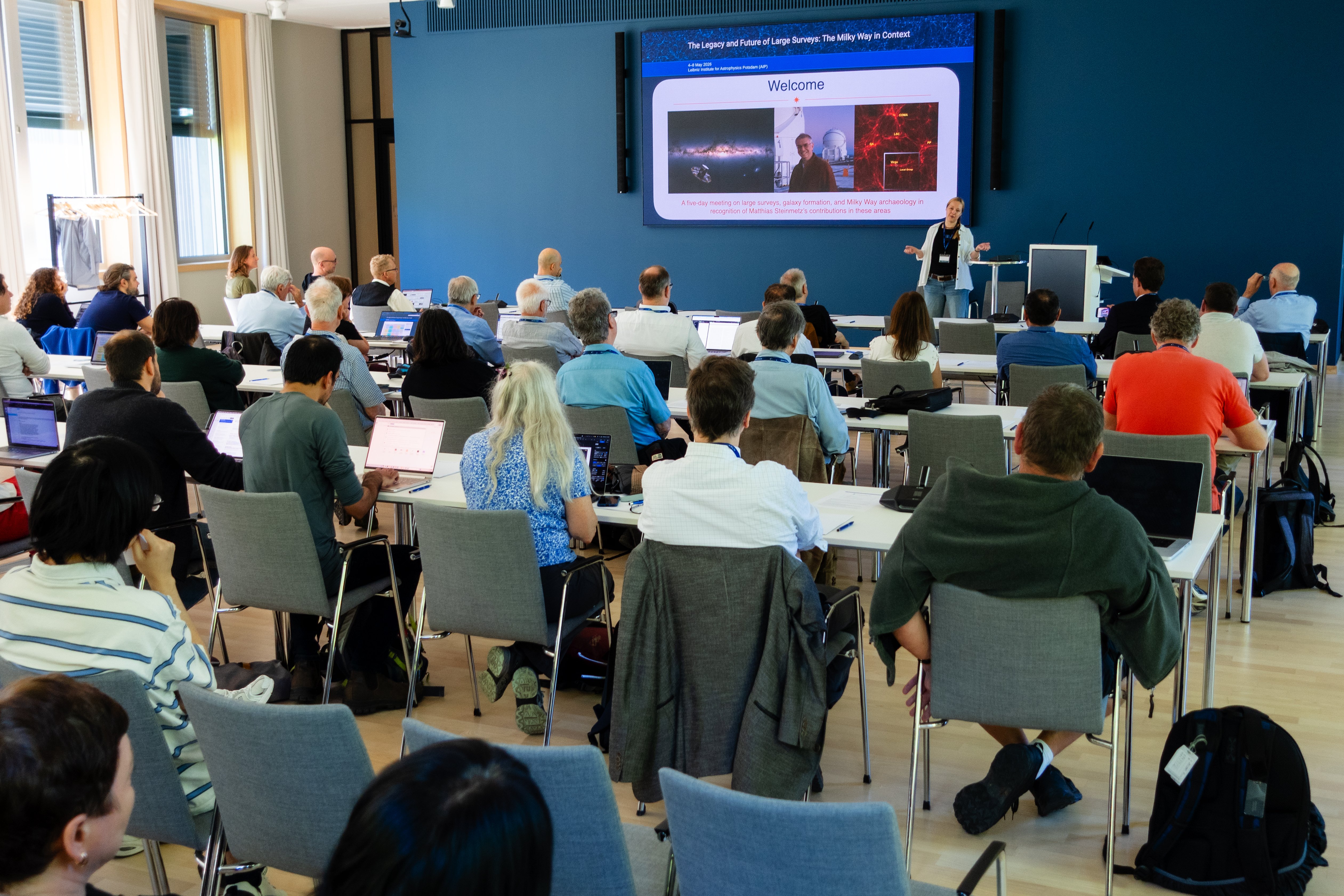
The workshop titled ‘The Legacy and Future of Large Surveys: The Milky Way in Context’ starts on May the 4th 2026.
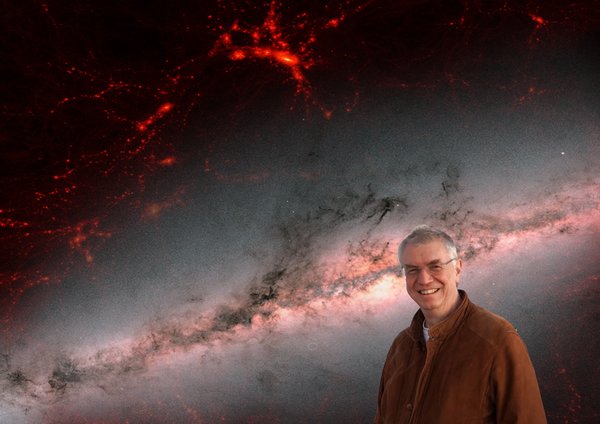
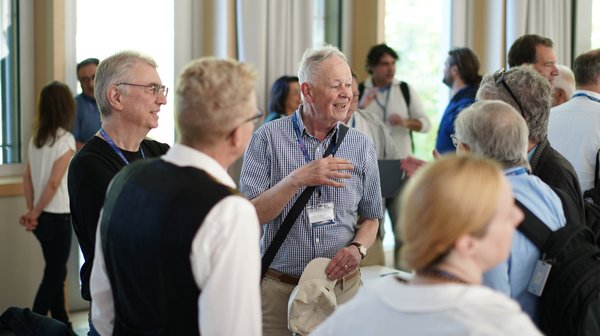
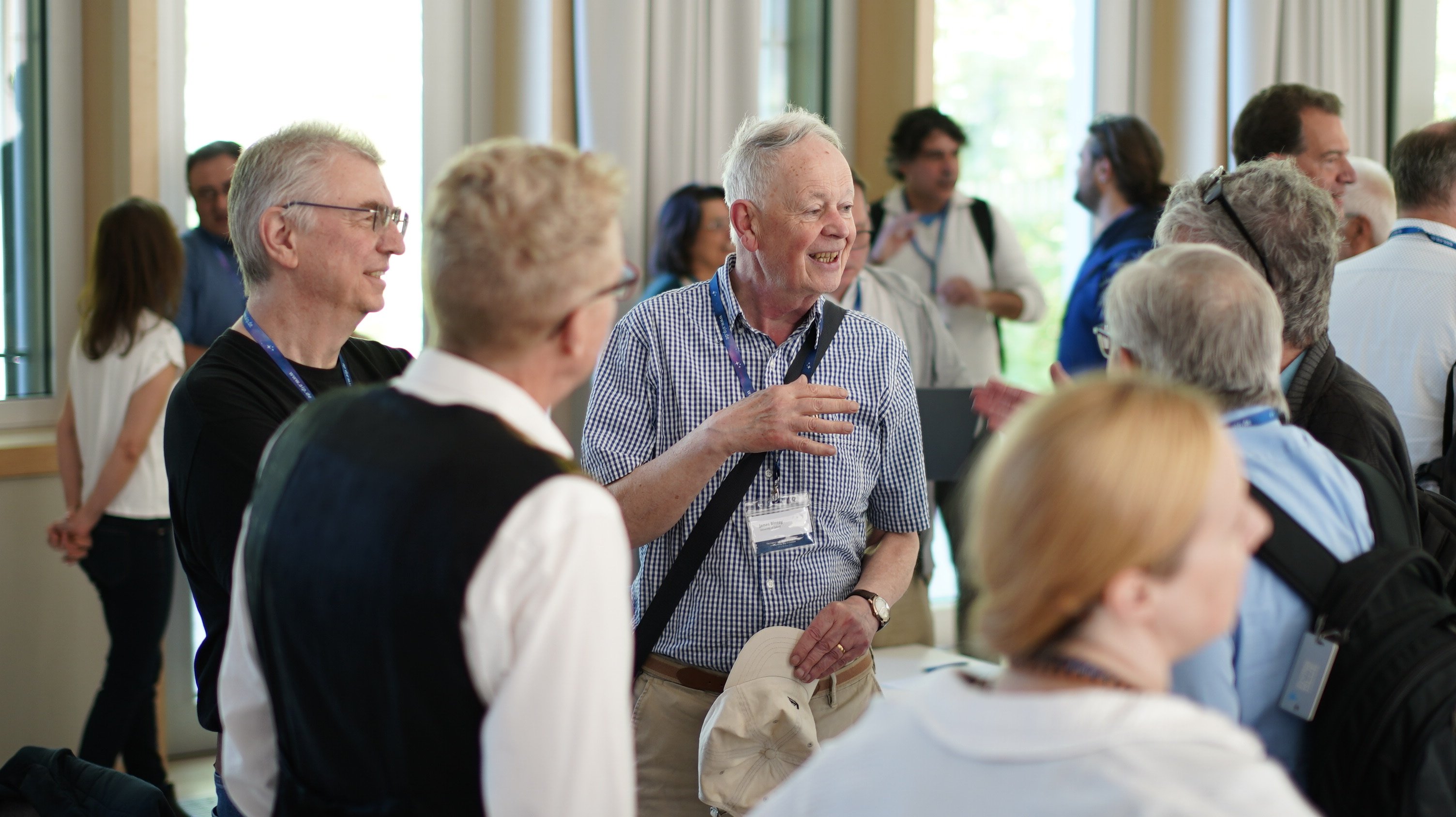
Credit: AIPThe Leibniz Institute for Astrophysics Potsdam (AIP) will host a major international workshop, ‘The Legacy and Future of Large Surveys: The Milky Way in Context’ starting May the 4th. The five-day meeting brings together leading experts in stellar surveys, galactic dynamics, chemo-dynamical modeling, and cosmological simulations to explore how our understanding of the Milky Way is being transformed by large-scale data.
The workshop is held in recognition of the scientific contributions of AIP director Matthias Steinmetz, whose work has been central to connecting observational surveys with galaxy formation theory. Modern stellar surveys, combined with increasingly sophisticated cosmological simulations, allow to connect stellar chemistry and dynamics across vast scales. The meeting will assess the current state of the field and define the path forward by addressing several central questions. A key focus will be how to place the Milky Way within its proper cosmological and Local Group context through approaches such as constrained simulations, satellite demographics, and comparisons to Milky Way analogs. Another major topic concerns how surveys and simulations can be compared consistently, taking into account selection effects, systematics, and modeling limitations. Participants will also explore what chemo-kinematic data and stellar ages reveal about the Galaxy’s assembly and enrichment history, including the degeneracies that still challenge interpretation. In addition, the meeting will examine how non-equilibrium structures such as bars, spirals, warps, and perturbations encode the dynamical evolution of the Galactic disk.
“The role of stellar halos, streams, and satellite galaxies in constraining early assembly and the nature of dark matter will also be discussed, alongside the growing importance of modern techniques and machine learning in extracting robust, interpretable results from large datasets” says Ivan Minchev, organizer of the meeting.
”The program features an outstanding lineup of speakers, collaborators and colleagues of Matthias Steinmetz, who will present cutting-edge work across observations, simulations, and methodology” adds co-organizer Noam Libeskind. “The workshop is structured around a set of interconnected themes that reflect the breadth of modern astrophysics. These include simulations, cosmology, and dark matter; the structure of the Galactic bulge, halo, and nearby systems; Milky Way archaeology and disk dynamics; the role of large surveys and observational facilities; the physics of gas and the circumgalactic medium; and connections to fundamental physics.”
The program also places strong emphasis on emerging methodologies, addresses data reproducibility and data practices in modern astronomy, and will explore the broader role of artificial intelligence as a framework for understanding the universe.
Further information
Meeting Website https://meetings.aip.de/e/legacy2026
The workshop titled ‘The Legacy and Future of Large Surveys: The Milky Way in Context’ starts on May the 4th 2026.
Credit: AIPThe Leibniz Institute for Astrophysics Potsdam (AIP) will host a major international workshop, ‘The Legacy and Future of Large Surveys: The Milky Way in Context’ starting May the 4th. The five-day meeting brings together leading experts in stellar surveys, galactic dynamics, chemo-dynamical modeling, and cosmological simulations to explore how our understanding of the Milky Way is being transformed by large-scale data.
The workshop is held in recognition of the scientific contributions of AIP director Matthias Steinmetz, whose work has been central to connecting observational surveys with galaxy formation theory. Modern stellar surveys, combined with increasingly sophisticated cosmological simulations, allow to connect stellar chemistry and dynamics across vast scales. The meeting will assess the current state of the field and define the path forward by addressing several central questions. A key focus will be how to place the Milky Way within its proper cosmological and Local Group context through approaches such as constrained simulations, satellite demographics, and comparisons to Milky Way analogs. Another major topic concerns how surveys and simulations can be compared consistently, taking into account selection effects, systematics, and modeling limitations. Participants will also explore what chemo-kinematic data and stellar ages reveal about the Galaxy’s assembly and enrichment history, including the degeneracies that still challenge interpretation. In addition, the meeting will examine how non-equilibrium structures such as bars, spirals, warps, and perturbations encode the dynamical evolution of the Galactic disk.
“The role of stellar halos, streams, and satellite galaxies in constraining early assembly and the nature of dark matter will also be discussed, alongside the growing importance of modern techniques and machine learning in extracting robust, interpretable results from large datasets” says Ivan Minchev, organizer of the meeting.
”The program features an outstanding lineup of speakers, collaborators and colleagues of Matthias Steinmetz, who will present cutting-edge work across observations, simulations, and methodology” adds co-organizer Noam Libeskind. “The workshop is structured around a set of interconnected themes that reflect the breadth of modern astrophysics. These include simulations, cosmology, and dark matter; the structure of the Galactic bulge, halo, and nearby systems; Milky Way archaeology and disk dynamics; the role of large surveys and observational facilities; the physics of gas and the circumgalactic medium; and connections to fundamental physics.”
The program also places strong emphasis on emerging methodologies, addresses data reproducibility and data practices in modern astronomy, and will explore the broader role of artificial intelligence as a framework for understanding the universe.
Further information
Meeting Website https://meetings.aip.de/e/legacy2026
Images
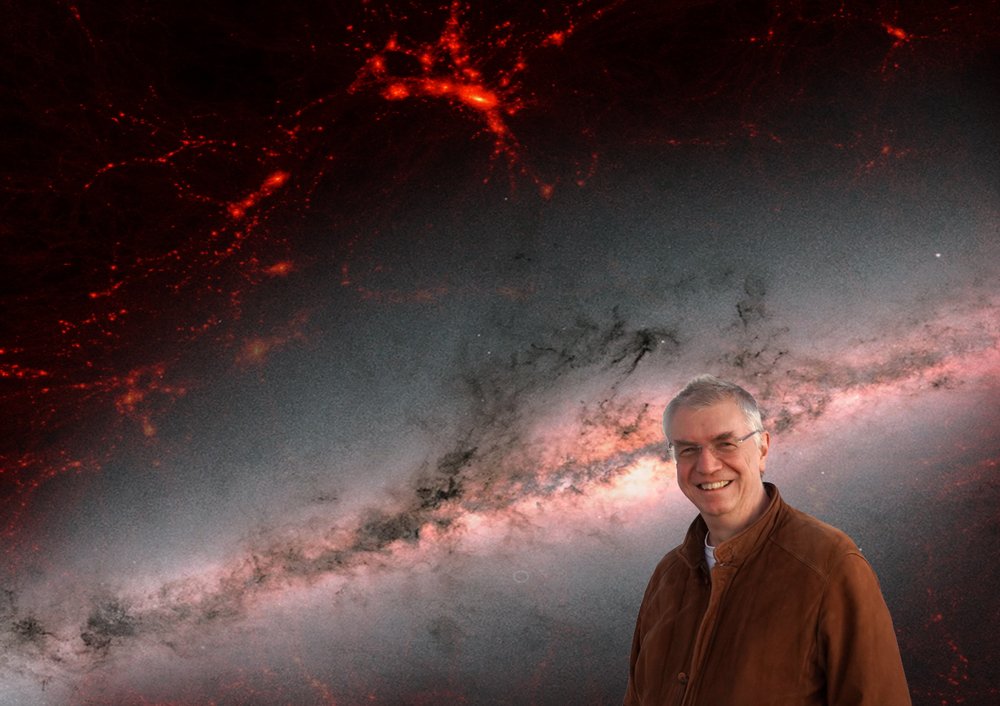
The workshop titled ‘The Legacy and Future of Large Surveys: The Milky Way in Context’ starts on May the 4th 2026.
Big screen size [1000 x 706, 110 KB]
Original size [1350 x 954, 180 KB]
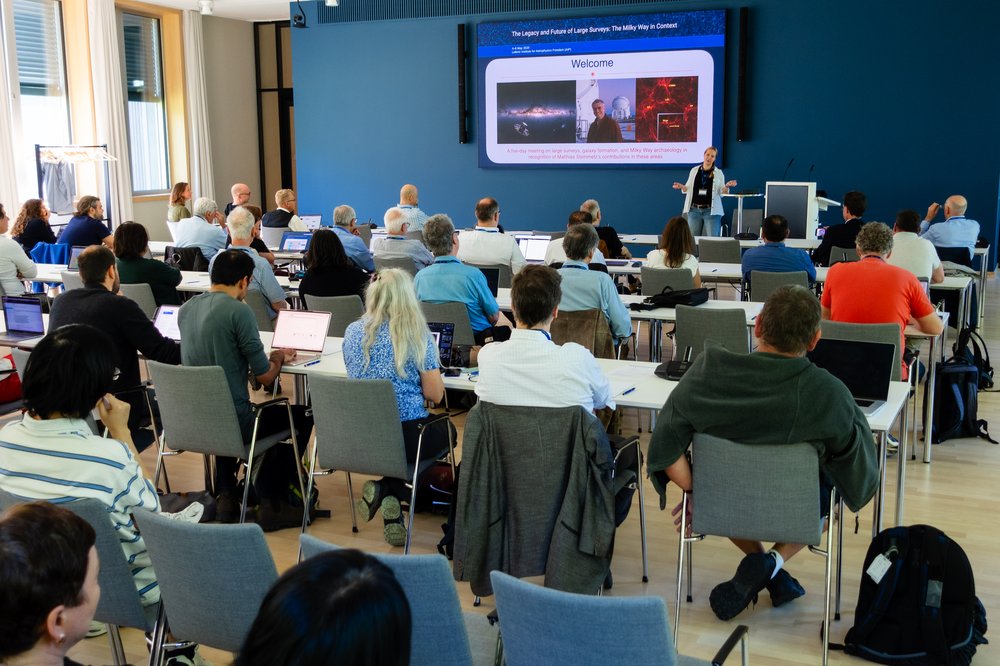
Dr Katja Poppenhäger welcoming guests at the Legacy Meeting
Big screen size [1000 x 666, 130 KB]
Original size [5043 x 3362, 2.8 MB]
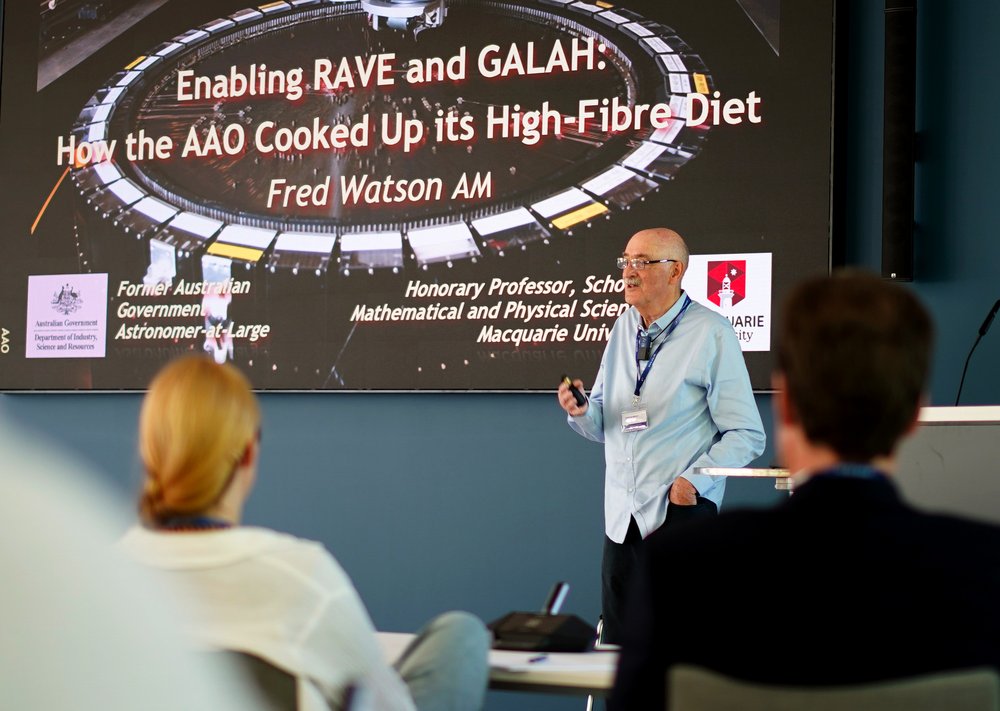
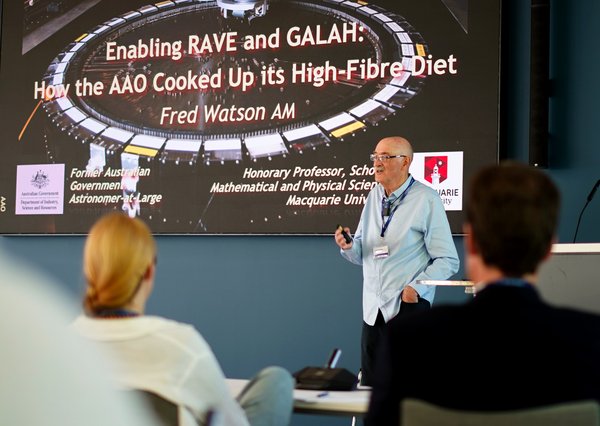
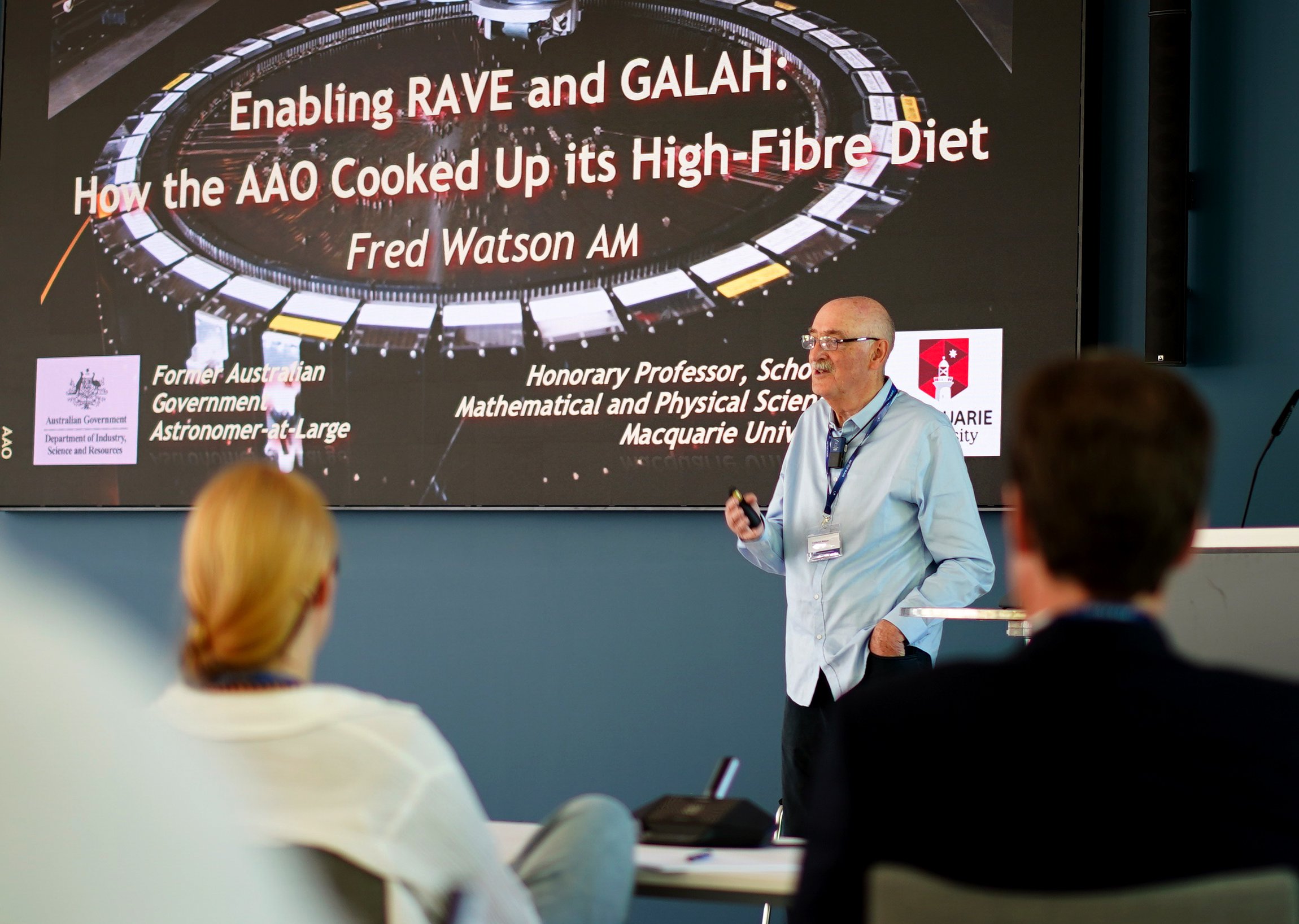
Keynote at the Legacy Meeting
Big screen size [1000 x 711, 110 KB]
Original size [2300 x 1636, 400 KB]
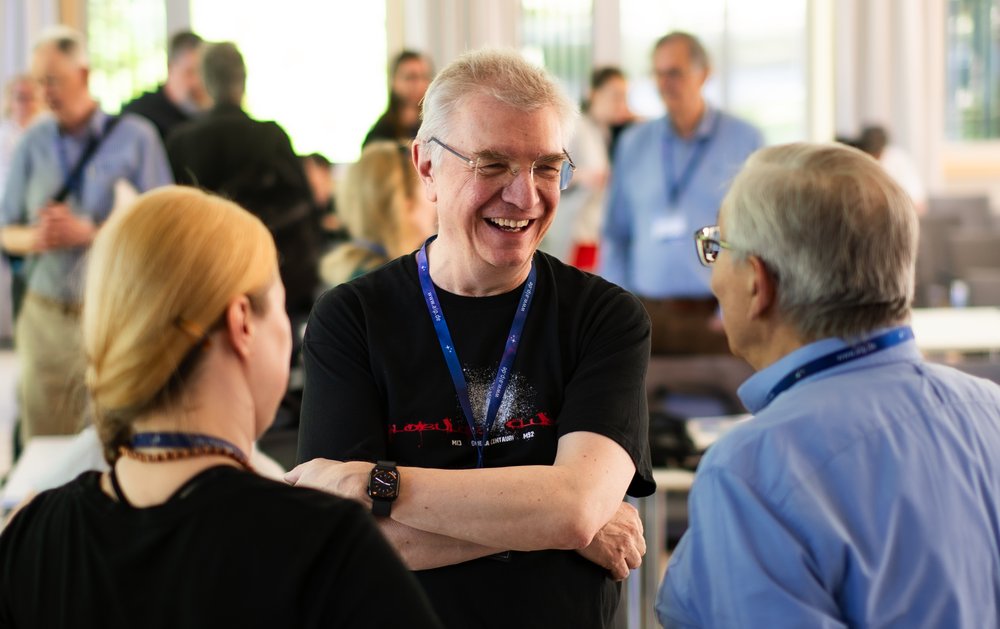
Dr Matthias Steinmetz at the Legacy Meeting
Big screen size [1000 x 629, 80 KB]
Original size [3444 x 2169, 770 KB]
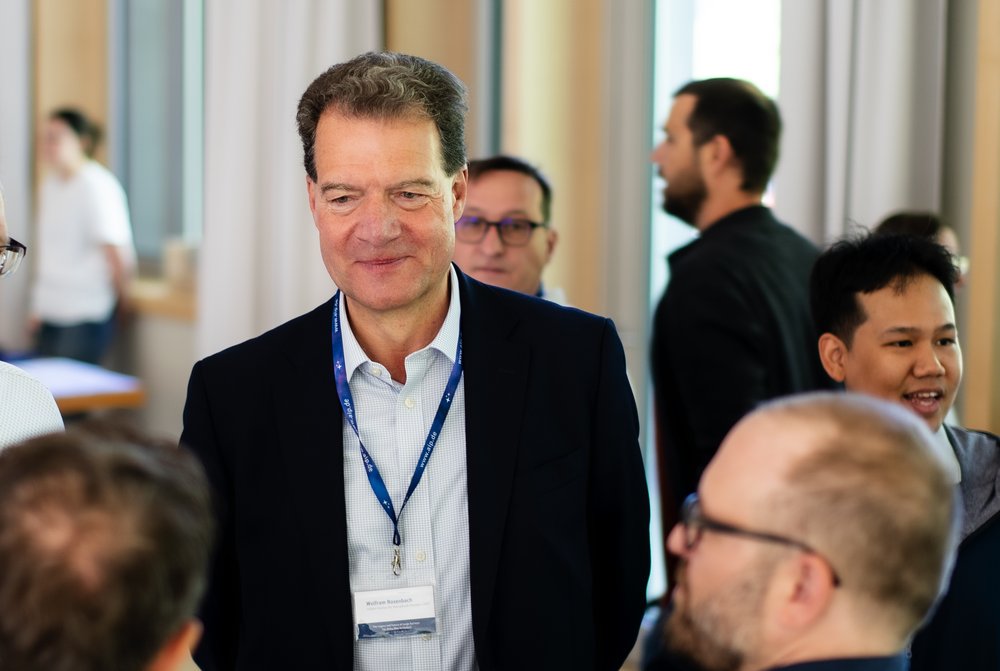
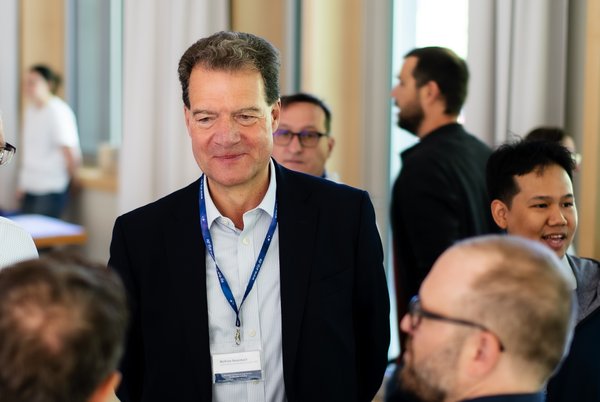
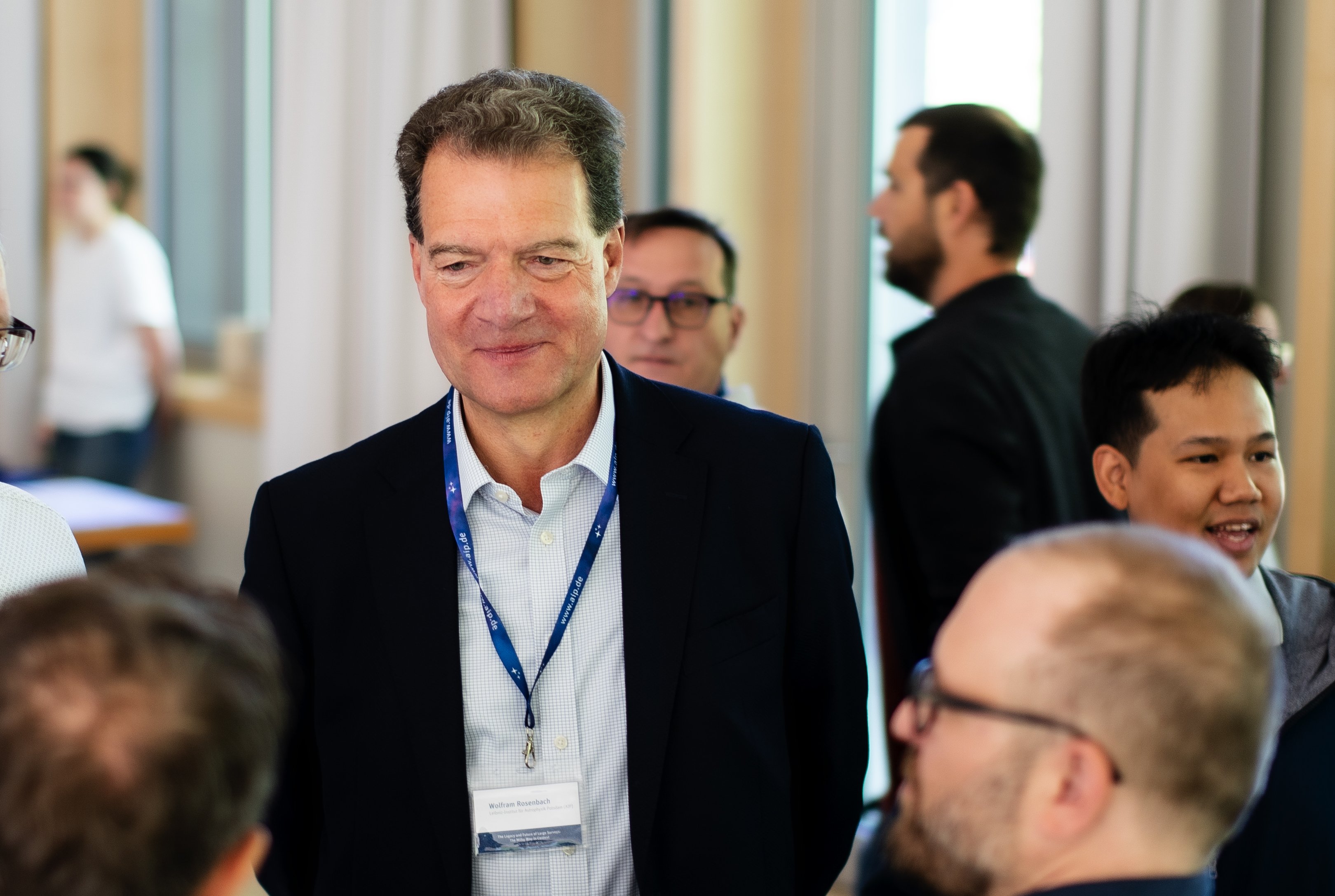
Wolfram Rosenbach welcoming guests at the Legacy Meeting
Big screen size [1000 x 671, 70 KB]
Original size [3239 x 2174, 700 KB]
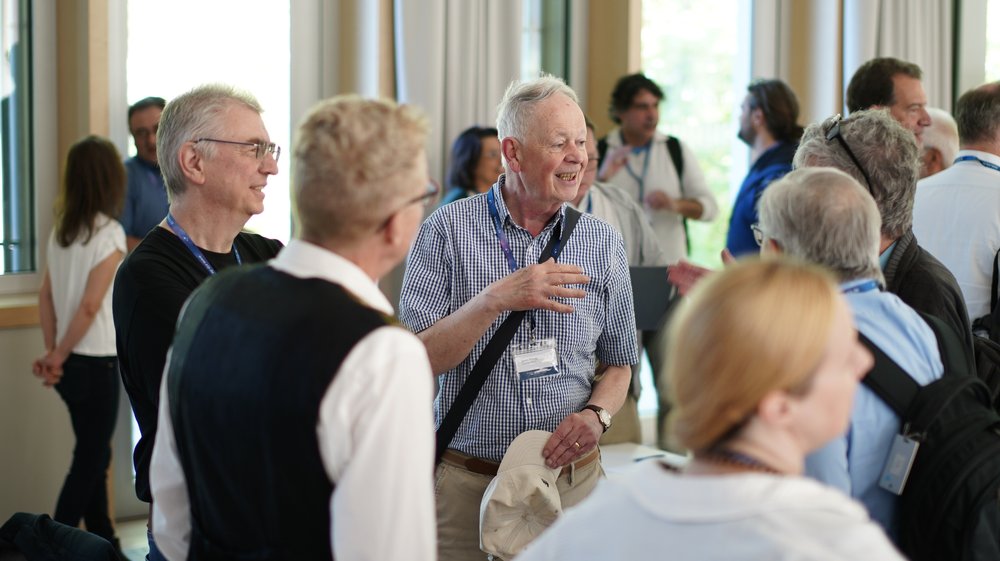
The Legacy Meeting will take place from 4 to 8 May at the AIP
Big screen size [1000 x 561, 90 KB]
Original size [3008 x 1688, 530 KB]
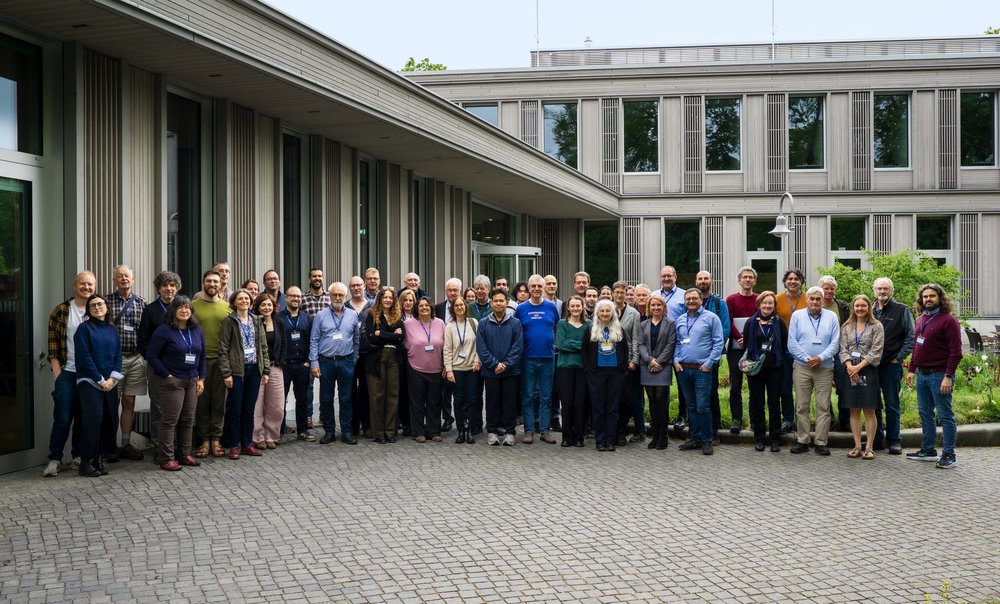
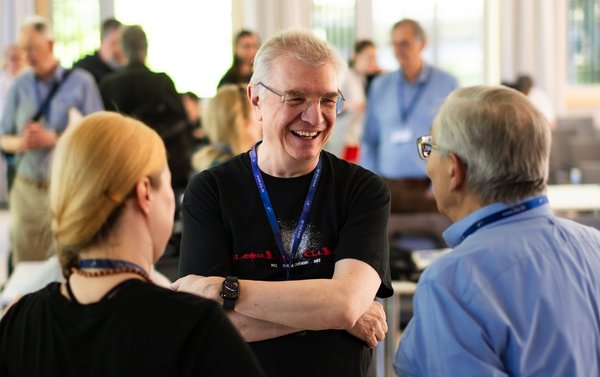
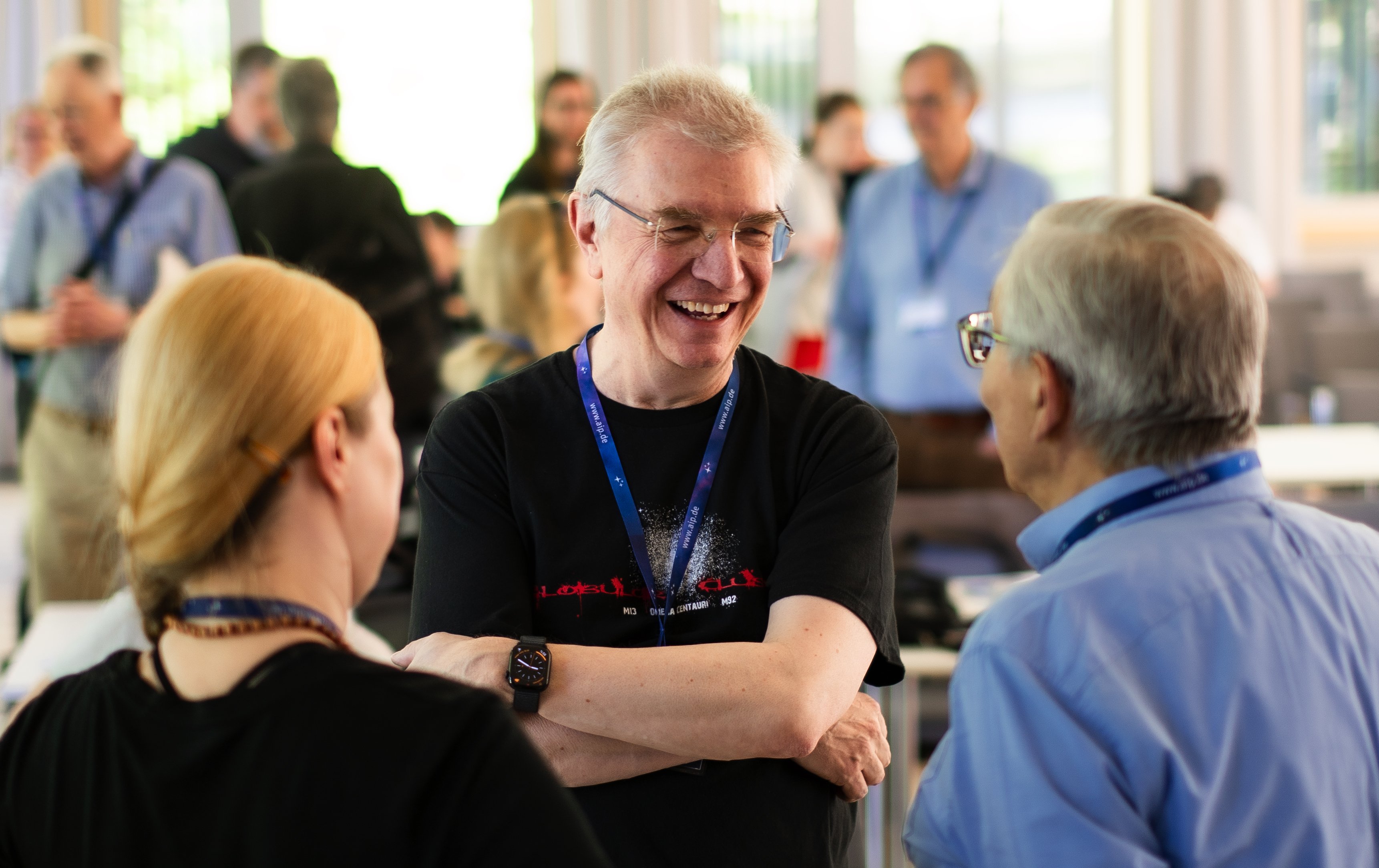
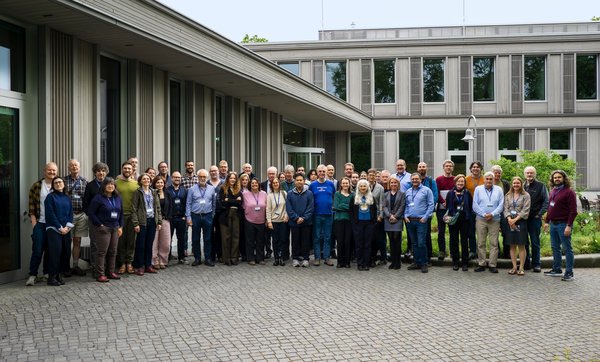
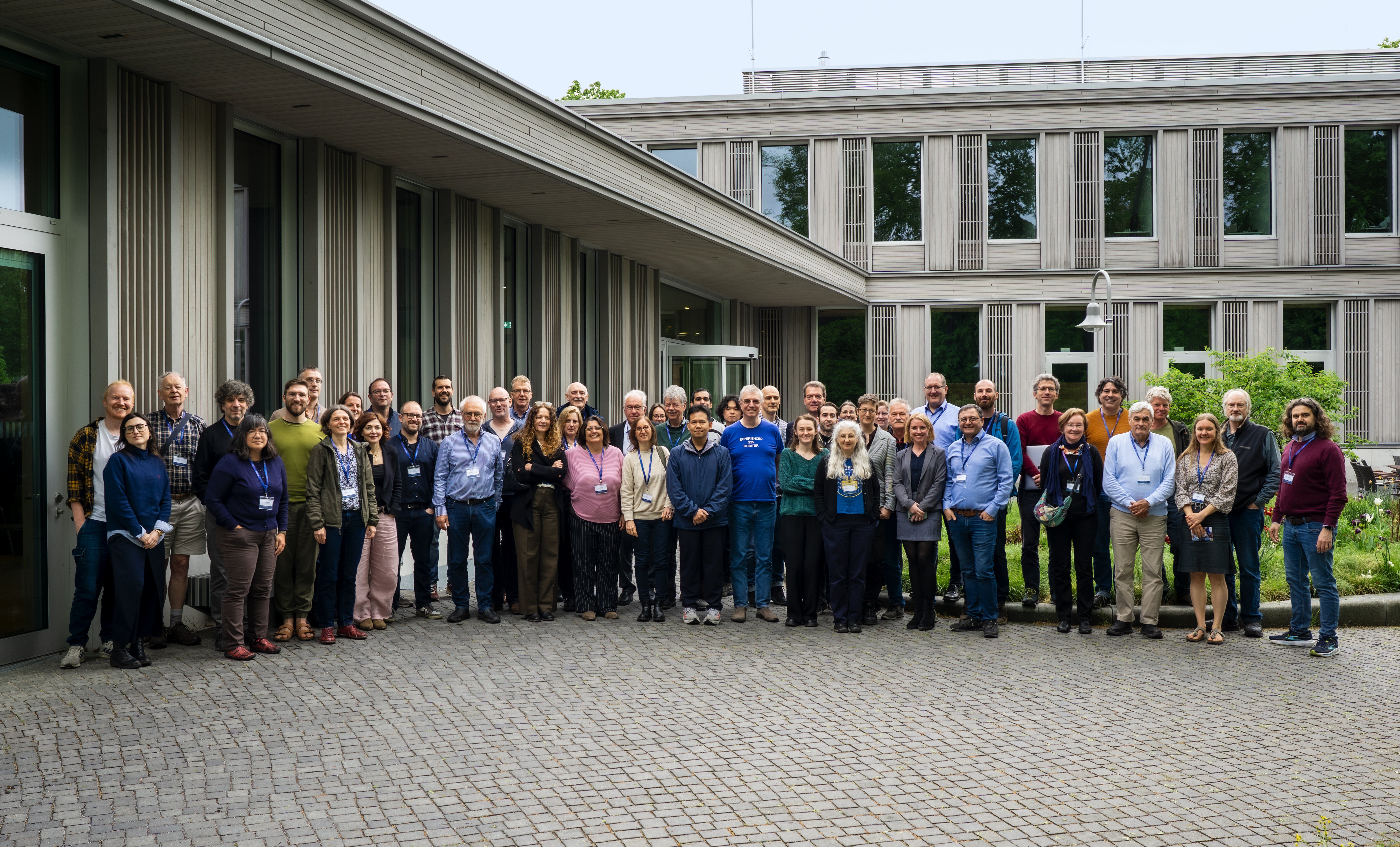
Participants Milky Way Meeting explores the Legacy and Future of Large Surveys
Big screen size [1000 x 604, 160 KB]
Original size [5771 x 3491, 3.4 MB]