Live Babelsberg Starry Night at 16th April 2026
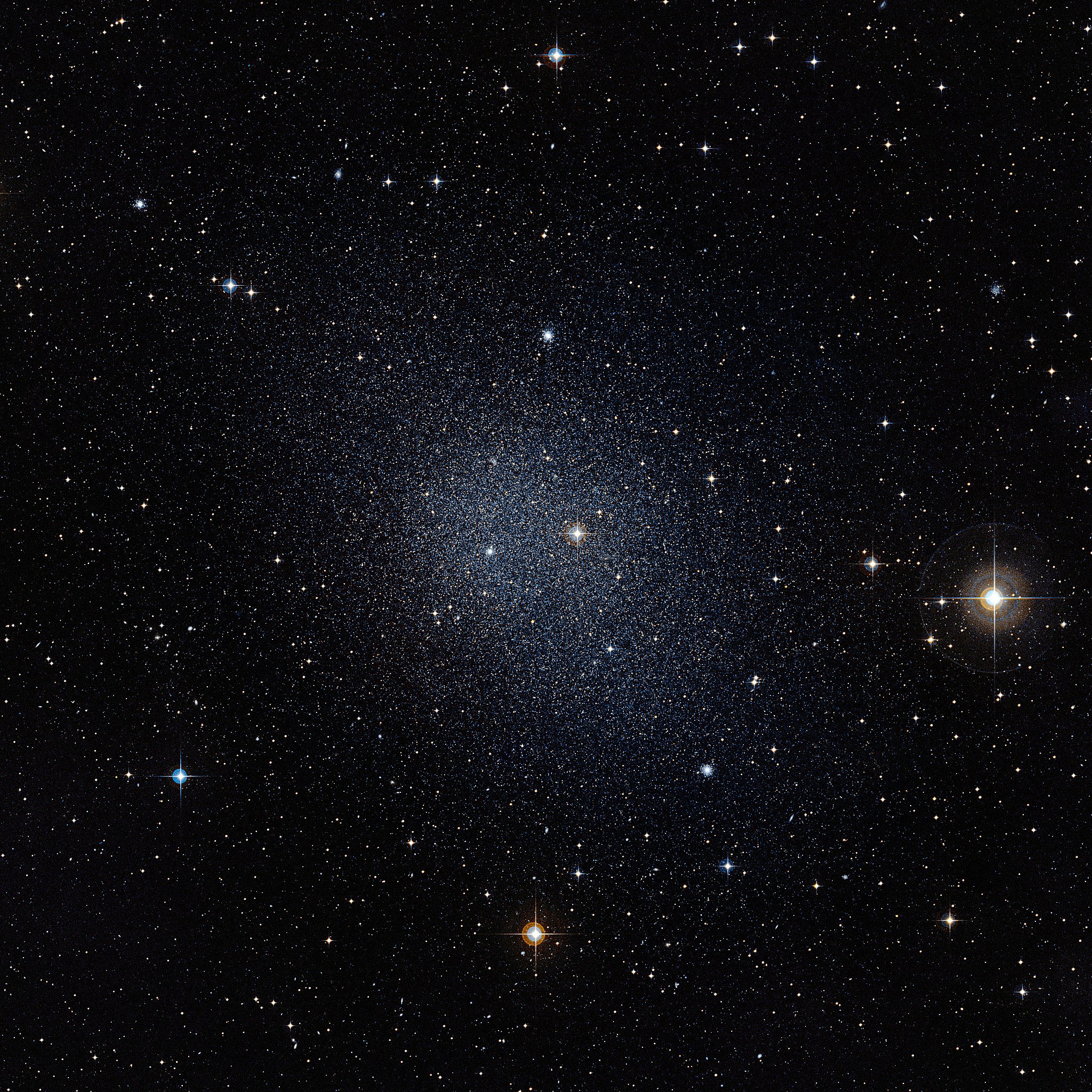
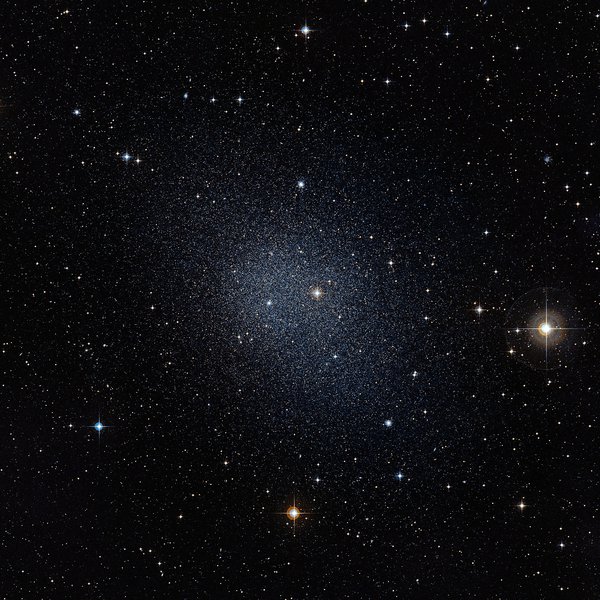
The Fornax dwarf galaxy, one of the satellite galaxies of the Milky Way.
Credit: ESO/Digitized Sky Survey 2On Thursday, 16 April 2026, starting at 7:15 pm, the Leibniz Institute for Astrophysics Potsdam (AIP) invites to the next Babelsberg Starry Night Live at the AIP research campus in Babelsberg. Dr. Marcel Pawlowski will give a public lecture on 'Dancing galaxies, Dark Matter and other Mysteries'. On the same evening, the YouTube channel Urknall, Weltall und das Leben will publish a virtual lecture by Dr. Fabio Lesjak on exoplanet atmospheres. Please note that both lectures will be given in German.
Dr. Marcel Pawlowski leads the Leibniz Junior Research Group ‘Cosmic Choreographies’ at the AIP. The research on satellite galaxies – small galaxies that orbit larger ones – has grown rapidly in recent decades. Observations show that these small galaxies exhibit some unexpected properties. These phenomena, in particular a remarkably ordered cosmic choreography around their parent galaxies such as the Milky Way, pose a challenge to the current standard model of cosmology and dark matter. Dr. Marcel Pawlowski will present some of these challenges and explain the possible solutions currently being discussed by astrophysicists.
Admission is free and no prior registration is required. After the lecture, visitors are invited to join a guided tour of the AIP research campus in Babelsberg. If the night sky is clear, there will also be an opportunity to observe the night sky through one of the institute’s historic reflecting telescopes.
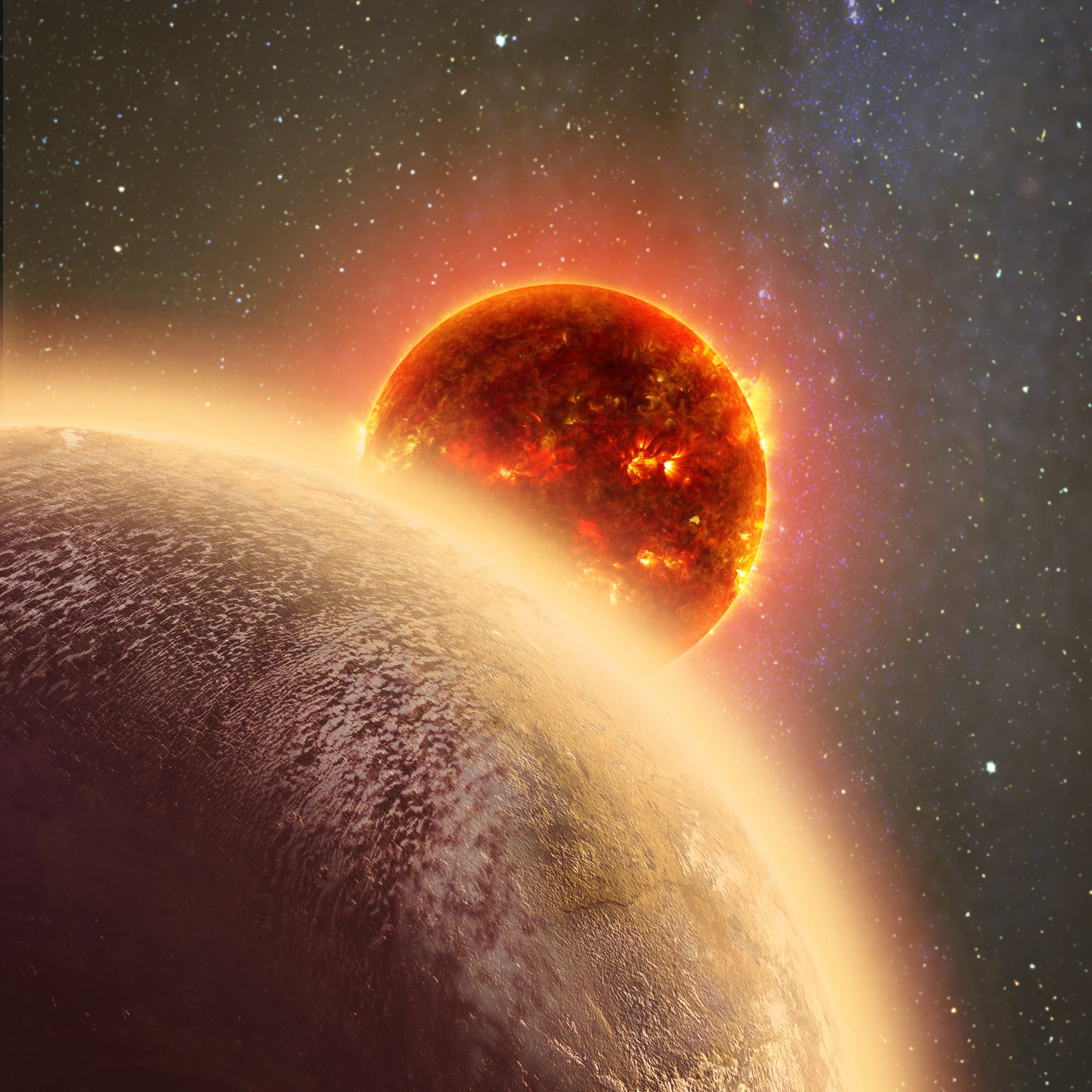
Also on Thursday, a new lecture from the virtual Babelsberg Starry Nights series will be published on YouTube: Dr. Fabio Lesjak, scientist in the research group Stellar Physikcs and Exoplanets at AIP, speaks about ‘Exoplanet atmospheres – From raining rubies to the search for life’. Similar to the planets in our Solar System, many exoplanets are surrounded by atmospheres. By studying these atmospheres using high-resolution spectroscopy, researchers can infer the composition of the atmosphere, its temperature and even measure the prevailing winds.
The video will be published at 8 p.m. on the YouTube channel Urknall, Weltall und das Leben (Big Bang, Space and Life).
Live Lecture:
Dr. Marcel Pawlowski: ‘Dancing galaxies, Dark Matter and other Mysteries’ (in German)
Time: 16.04.2026, 7:15 p.m.
Location: Conference room Maria-Margaretha-Kirch-Haus, AIP, An der Sternwarte 16, 14482 Potsdam
Virtual Lecture:
Dr. Fabio Lesjak: ‘Exoplanet atmospheres – From raining rubies to the search for life ’ (in German).
Time: 16.04.2026, 20 Uhr
YouTube channel Urknall, Weltall und das Leben
Next and last live lecture of this season:
Dr. Mirko Krumpe: 'To the Moon and back - Special lecture on the Artemis II mission' at 23 April 2026
Further public events of the AIP:
https://www.aip.de/en/pr/public-events/
The Fornax dwarf galaxy, one of the satellite galaxies of the Milky Way.
Credit: ESO/Digitized Sky Survey 2On Thursday, 16 April 2026, starting at 7:15 pm, the Leibniz Institute for Astrophysics Potsdam (AIP) invites to the next Babelsberg Starry Night Live at the AIP research campus in Babelsberg. Dr. Marcel Pawlowski will give a public lecture on 'Dancing galaxies, Dark Matter and other Mysteries'. On the same evening, the YouTube channel Urknall, Weltall und das Leben will publish a virtual lecture by Dr. Fabio Lesjak on exoplanet atmospheres. Please note that both lectures will be given in German.
Dr. Marcel Pawlowski leads the Leibniz Junior Research Group ‘Cosmic Choreographies’ at the AIP. The research on satellite galaxies – small galaxies that orbit larger ones – has grown rapidly in recent decades. Observations show that these small galaxies exhibit some unexpected properties. These phenomena, in particular a remarkably ordered cosmic choreography around their parent galaxies such as the Milky Way, pose a challenge to the current standard model of cosmology and dark matter. Dr. Marcel Pawlowski will present some of these challenges and explain the possible solutions currently being discussed by astrophysicists.
Admission is free and no prior registration is required. After the lecture, visitors are invited to join a guided tour of the AIP research campus in Babelsberg. If the night sky is clear, there will also be an opportunity to observe the night sky through one of the institute’s historic reflecting telescopes.
Also on Thursday, a new lecture from the virtual Babelsberg Starry Nights series will be published on YouTube: Dr. Fabio Lesjak, scientist in the research group Stellar Physikcs and Exoplanets at AIP, speaks about ‘Exoplanet atmospheres – From raining rubies to the search for life’. Similar to the planets in our Solar System, many exoplanets are surrounded by atmospheres. By studying these atmospheres using high-resolution spectroscopy, researchers can infer the composition of the atmosphere, its temperature and even measure the prevailing winds.
The video will be published at 8 p.m. on the YouTube channel Urknall, Weltall und das Leben (Big Bang, Space and Life).
Live Lecture:
Dr. Marcel Pawlowski: ‘Dancing galaxies, Dark Matter and other Mysteries’ (in German)
Time: 16.04.2026, 7:15 p.m.
Location: Conference room Maria-Margaretha-Kirch-Haus, AIP, An der Sternwarte 16, 14482 Potsdam
Virtual Lecture:
Dr. Fabio Lesjak: ‘Exoplanet atmospheres – From raining rubies to the search for life ’ (in German).
Time: 16.04.2026, 20 Uhr
YouTube channel Urknall, Weltall und das Leben
Next and last live lecture of this season:
Dr. Mirko Krumpe: 'To the Moon and back - Special lecture on the Artemis II mission' at 23 April 2026
Further public events of the AIP:
https://www.aip.de/en/pr/public-events/
Images
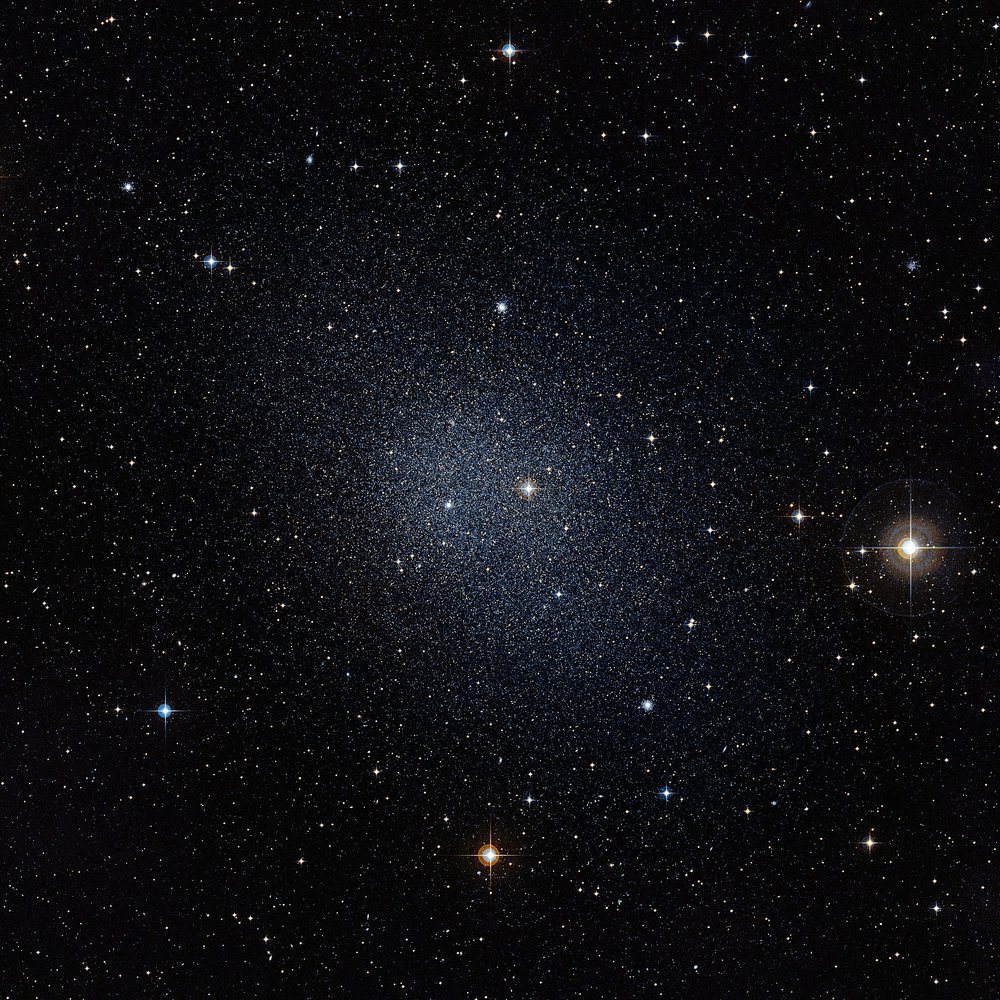
The Fornax dwarf galaxy, one of the satellite galaxies of the Milky Way.
Big screen size [1000 x 1000, 290 KB]
Original size [2048 x 2048, 1.4 MB]
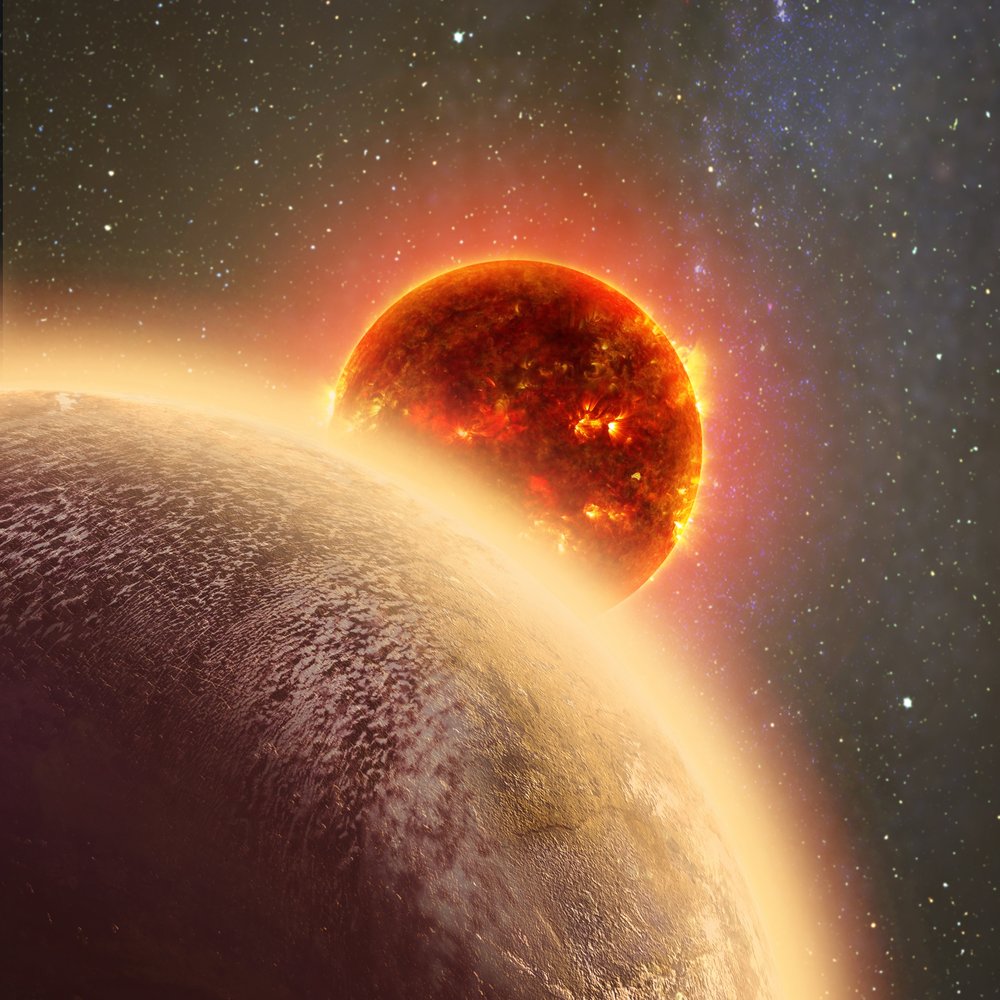
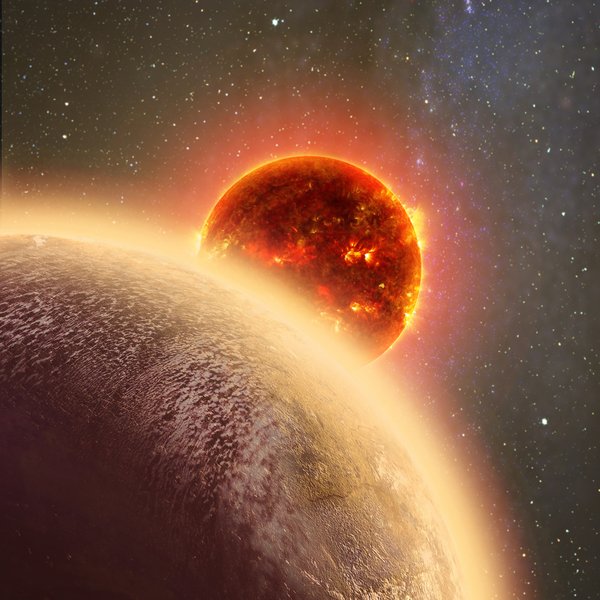
Artist's impression of an exoplanet with an atmosphere, glowing from the light of the star in the background.
Big screen size [1000 x 1000, 160 KB]
Original size [4200 x 4200, 1.8 MB]