Special Edition: Babelsberg Starry Night on Artemis II on 23 April 2026
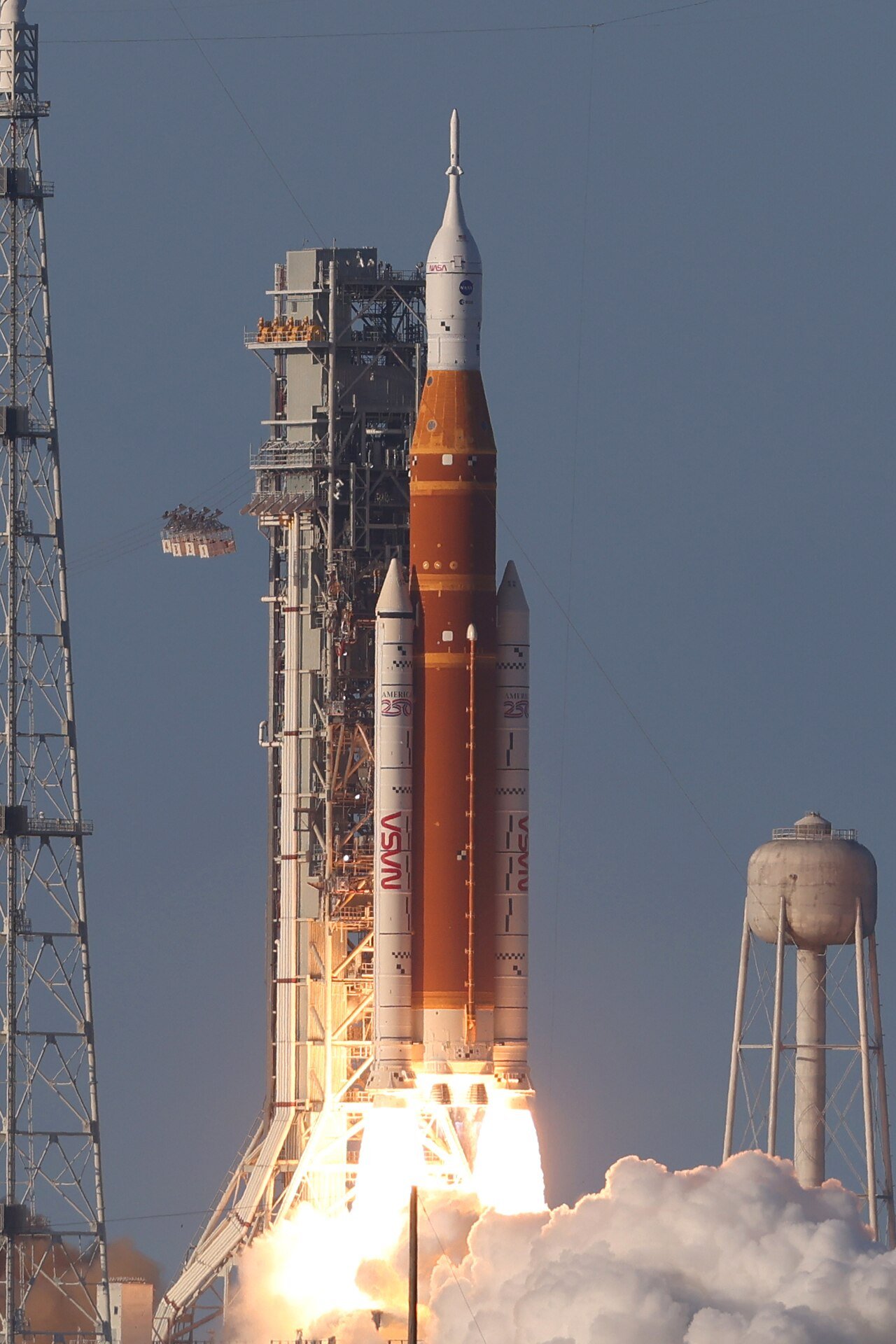
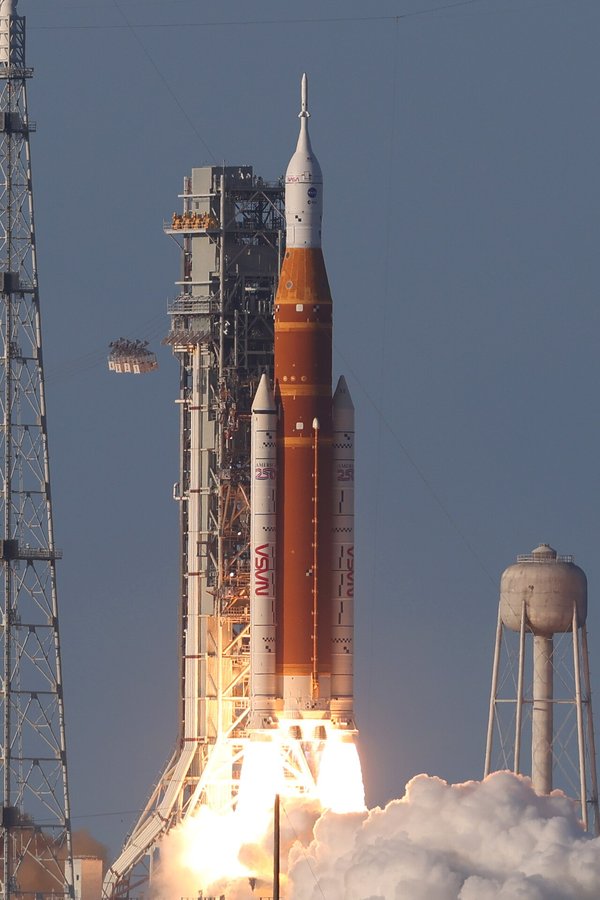
The SLS rocket of the Artemis II mission at start, with 4 astronauts on board on their way to the Moon.
Credit: NASA/Michael DeMockerTo celebrate the recent Artemis II mission, the Leibniz Institute for Astrophysics Potsdam (AIP) is hosting a special edition of the Babelsberg Starry Nights on 23 April 2026 starting 7.15 pm with a public lecture by Dr Mirko Krumpe: “Artemis II: To the Moon and Back” .
In the ‘Babelsberg Starry Nights’ series, scientists from the AIP present their research and the latest developments in astronomy and astrophysics. This special edition also covers space travel. Dr Mirko Krumpe is a researcher in the ‘X-ray Astronomy’ research group at the AIP and has extensive experience with satellites, particularly through his work on eROSITA and with XMM-Newton. In his live lecture in Babelsberg, he will take us on a journey ‘To the Moon and Back’. He will not only explain the background and course of the Artemis II mission, but also highlights the various challenges – both minor and major – that the astronauts had to overcome on their journey before they could successfully orbit the Moon and return safely to Earth.
Admission is free and no prior registration is required.
Lecture: Dr. Mirko Krumpe: ‘Artemis II: To the Moon and back – Special lecture on the Moon mission’ (in German)
Time: 23.04.2026, 7:15 p.m.
Location: Conference room Maria-Margaretha-Kirch-Haus, AIP, An der Sternwarte 16, 14482 Potsdam
Previous lectures from this series:
Live Babelsberg Starry Nights: https://www.aip.de/en/pr/public-events/babelsberg-starry-nights-live/
Virtual Babelsberg Starry Nights: https://www.aip.de/en/babelsberger-sternennaechte/
Further public events of the AIP:
https://www.aip.de/en/pr/public-events/
The SLS rocket of the Artemis II mission at start, with 4 astronauts on board on their way to the Moon.
Credit: NASA/Michael DeMockerTo celebrate the recent Artemis II mission, the Leibniz Institute for Astrophysics Potsdam (AIP) is hosting a special edition of the Babelsberg Starry Nights on 23 April 2026 starting 7.15 pm with a public lecture by Dr Mirko Krumpe: “Artemis II: To the Moon and Back” .
In the ‘Babelsberg Starry Nights’ series, scientists from the AIP present their research and the latest developments in astronomy and astrophysics. This special edition also covers space travel. Dr Mirko Krumpe is a researcher in the ‘X-ray Astronomy’ research group at the AIP and has extensive experience with satellites, particularly through his work on eROSITA and with XMM-Newton. In his live lecture in Babelsberg, he will take us on a journey ‘To the Moon and Back’. He will not only explain the background and course of the Artemis II mission, but also highlights the various challenges – both minor and major – that the astronauts had to overcome on their journey before they could successfully orbit the Moon and return safely to Earth.
Admission is free and no prior registration is required.
Lecture: Dr. Mirko Krumpe: ‘Artemis II: To the Moon and back – Special lecture on the Moon mission’ (in German)
Time: 23.04.2026, 7:15 p.m.
Location: Conference room Maria-Margaretha-Kirch-Haus, AIP, An der Sternwarte 16, 14482 Potsdam
Previous lectures from this series:
Live Babelsberg Starry Nights: https://www.aip.de/en/pr/public-events/babelsberg-starry-nights-live/
Virtual Babelsberg Starry Nights: https://www.aip.de/en/babelsberger-sternennaechte/
Further public events of the AIP:
https://www.aip.de/en/pr/public-events/
Images
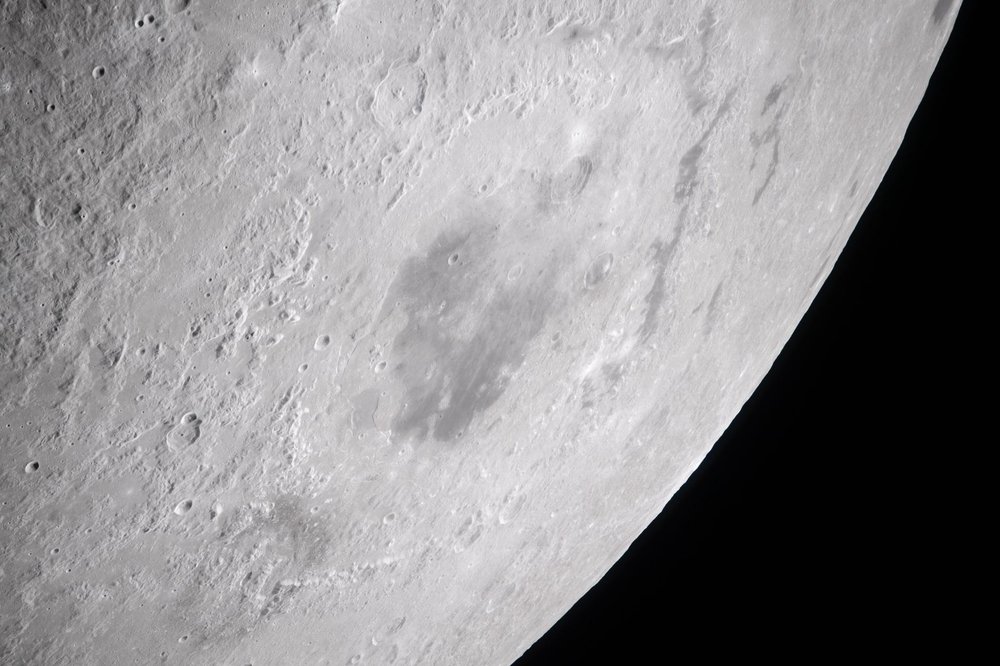
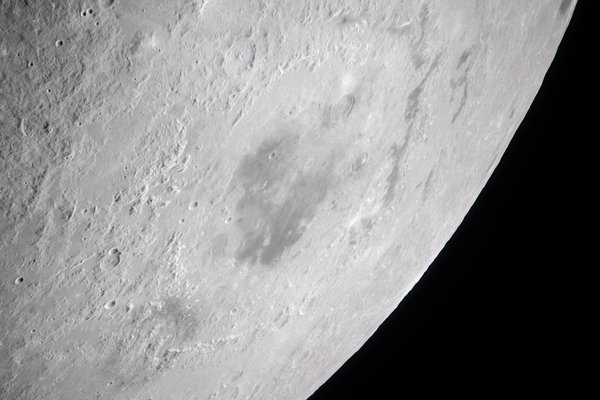
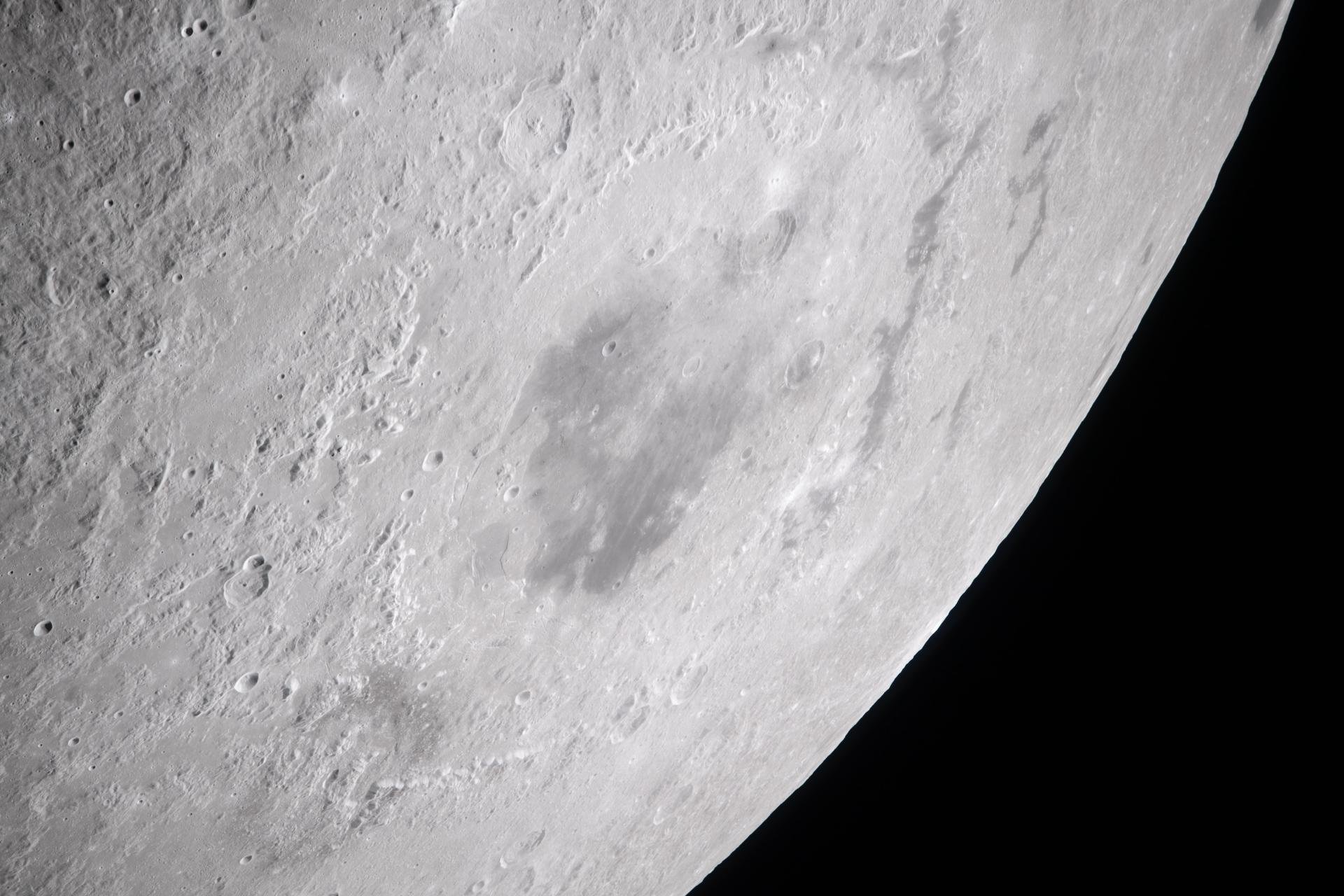
Detailed image of the Moon’s surface during the Artemis II mission.
Big screen size [1000 x 666, 100 KB]
Original size [1920 x 1280, 270 KB]
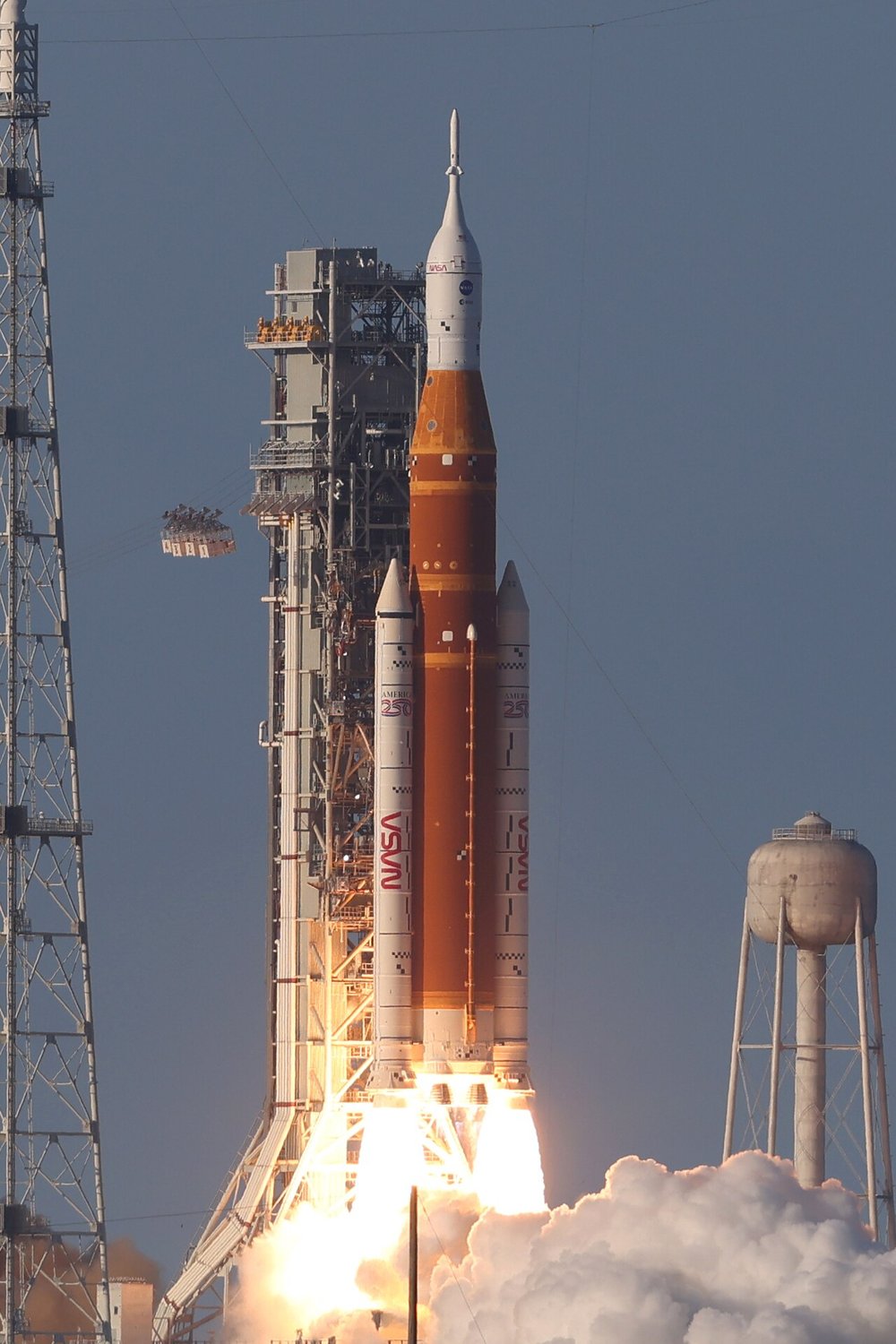
The SLS rocket of the Artemis II mission at start, with 4 astronauts on board on their way to the Moon.
Big screen size [1000 x 1500, 170 KB]
Original size [1280 x 1920, 270 KB]
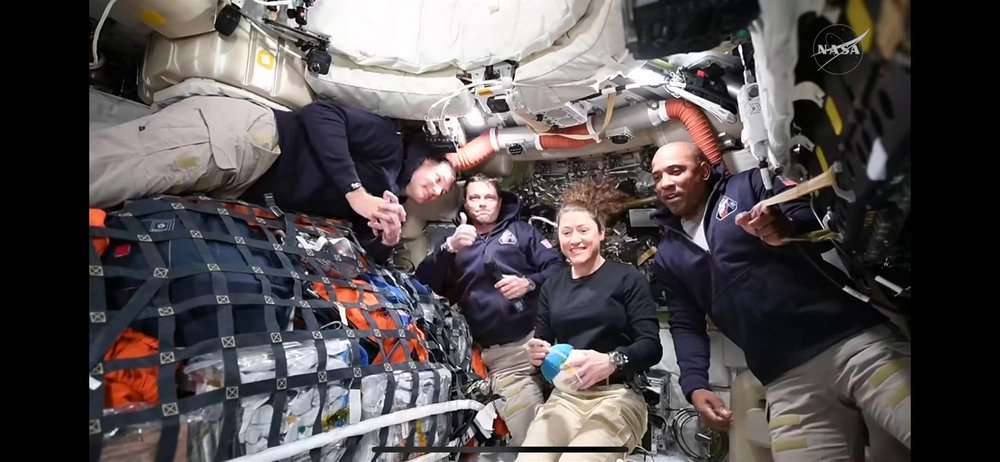
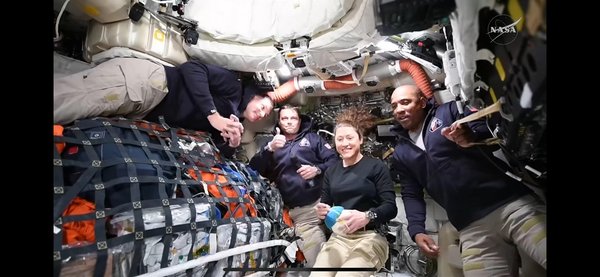
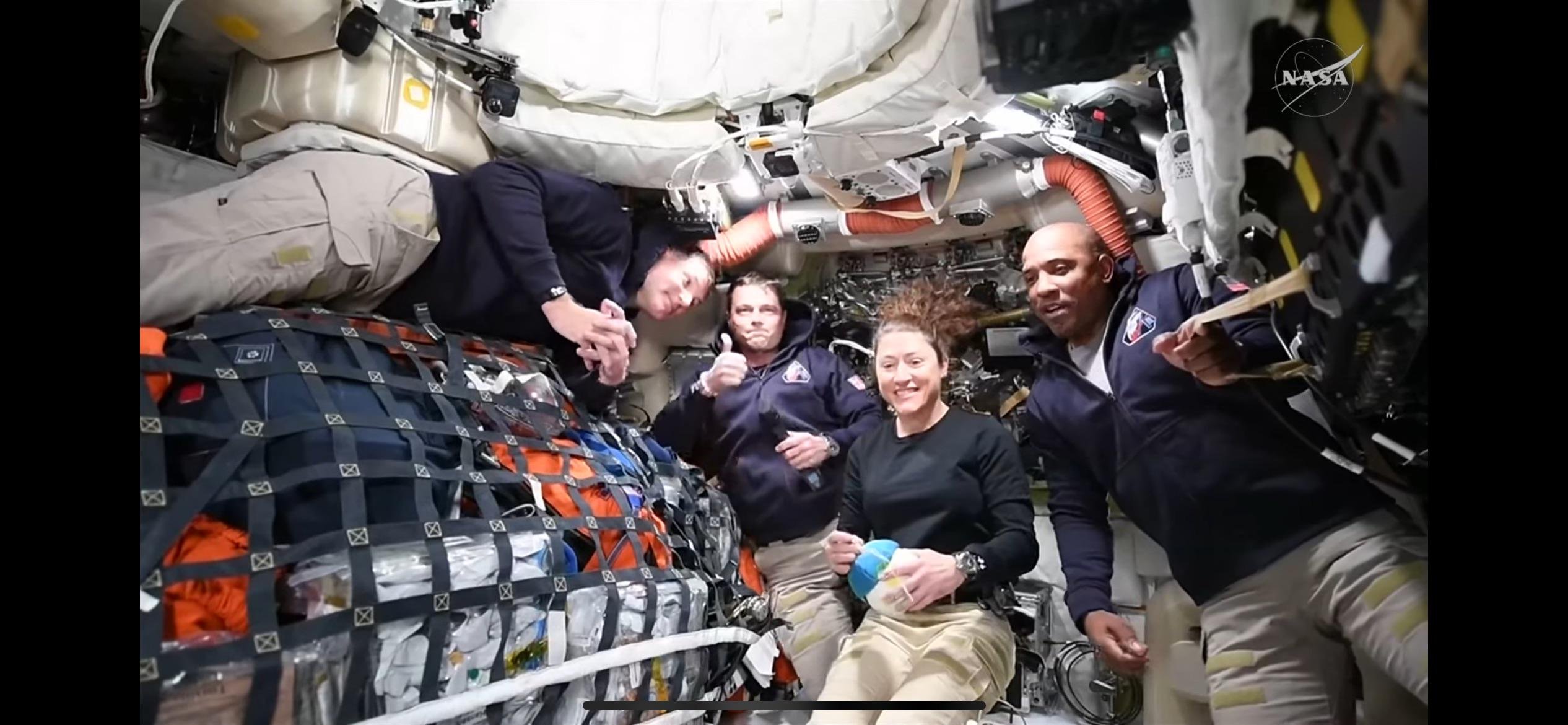
The Artemis II crew on board the Orion space capsule.
Big screen size [1000 x 462, 90 KB]
Original size [2532 x 1170, 280 KB]